In much of the developed world, reliable electricity is taken for granted. Flick a switch and the lights come on. Plug in a device and it charges. The grid is there, it works, and the occasions when it does not are notable enough to make the news.
For billions of people across Sub-Saharan Africa, South Asia, parts of the Middle East, and Central America, that reality looks very different. Power grids in developing regions are frequently unreliable, under-resourced, and unable to keep pace with the demands of growing economies and expanding populations. Outages are not exceptional events. They are a daily fact of life for homes, businesses, hospitals, schools, and industrial operations.
In this environment, diesel generators are not a backup plan. They are often the primary plan.
The Scale of the Problem
The International Energy Agency estimates that hundreds of millions of people worldwide still lack access to reliable electricity, and many more have access that is intermittent, unstable, or insufficient for economic activity. In countries where grid infrastructure exists, it is frequently ageing, underfunded, and unable to meet peak demand. Load shedding, the deliberate, rolling cutting of power to manage grid capacity, is a routine feature of daily life in countries including Nigeria, South Africa, Pakistan, Ghana, and many others.
For businesses operating in these environments, an unreliable grid is not just an inconvenience. It is a fundamental constraint on productivity, competitiveness, and growth. A factory that loses power for six hours a day cannot compete with one that operates continuously. A hospital that cannot guarantee power, cannot safely operate theatres or intensive care units. A data centre that experiences regular outages cannot offer the uptime guarantees its customers require.
Why Diesel Remains the Dominant Solution
Against this backdrop, diesel generators have become the backbone of independent power generation across the developing world, and for reasons that go well beyond habit or tradition.
Fuel availability
Diesel fuel is available in virtually every country on earth. Supply chains, storage infrastructure, and distribution networks for diesel exist even in markets where other energy infrastructure is limited. For remote or underserved locations, the ability to transport and store fuel locally, without dependency on a functioning grid or specialised infrastructure, is a practical advantage that no other generation technology currently matches.
Proven reliability
A well-maintained diesel generator from a reputable manufacturer will run reliably for tens of thousands of hours. The technology is mature, the maintenance requirements are well understood, and the engineering skills to service and repair diesel engines are widely available across developing markets. This is not always true of newer technologies, which may require specialist knowledge or parts that are difficult to source locally.
Scalability
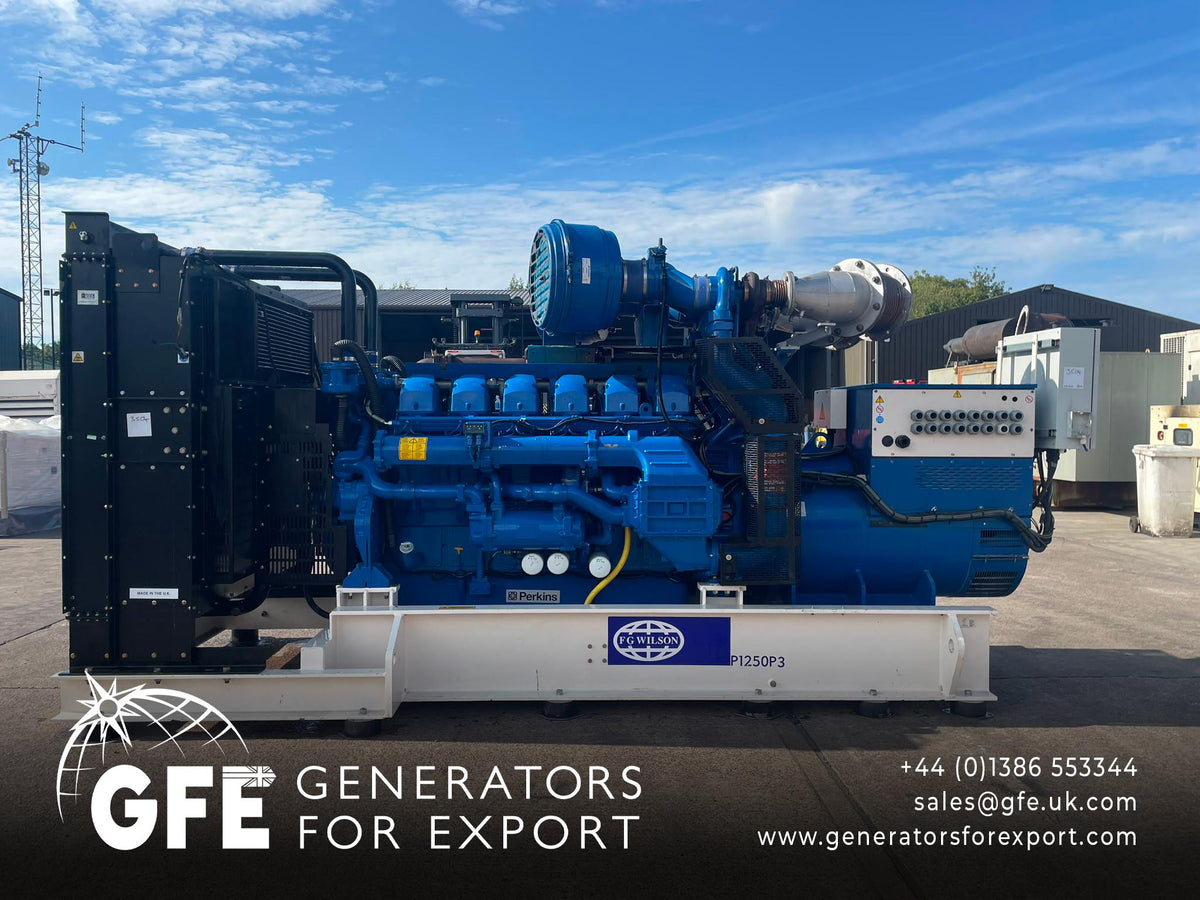
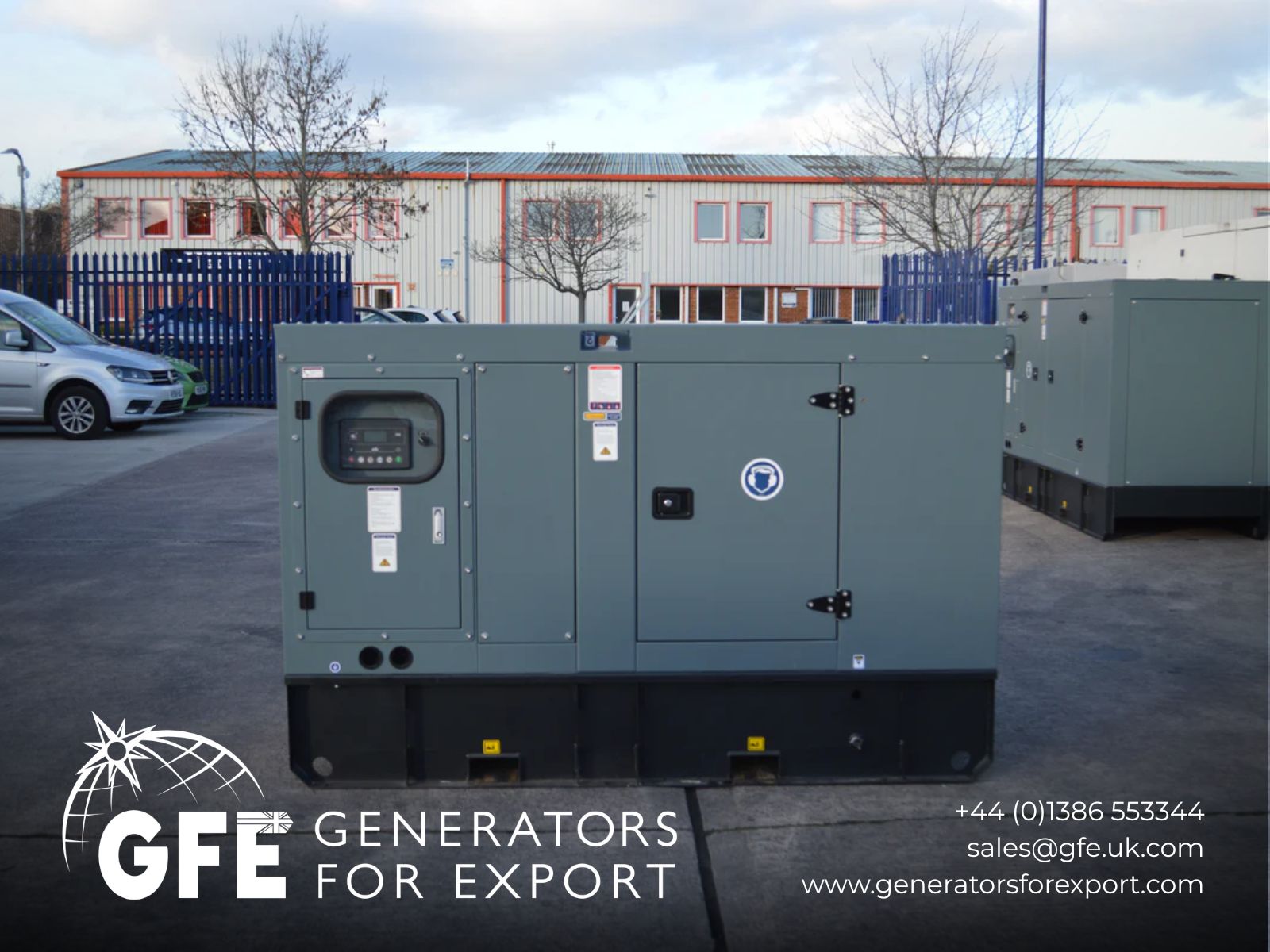
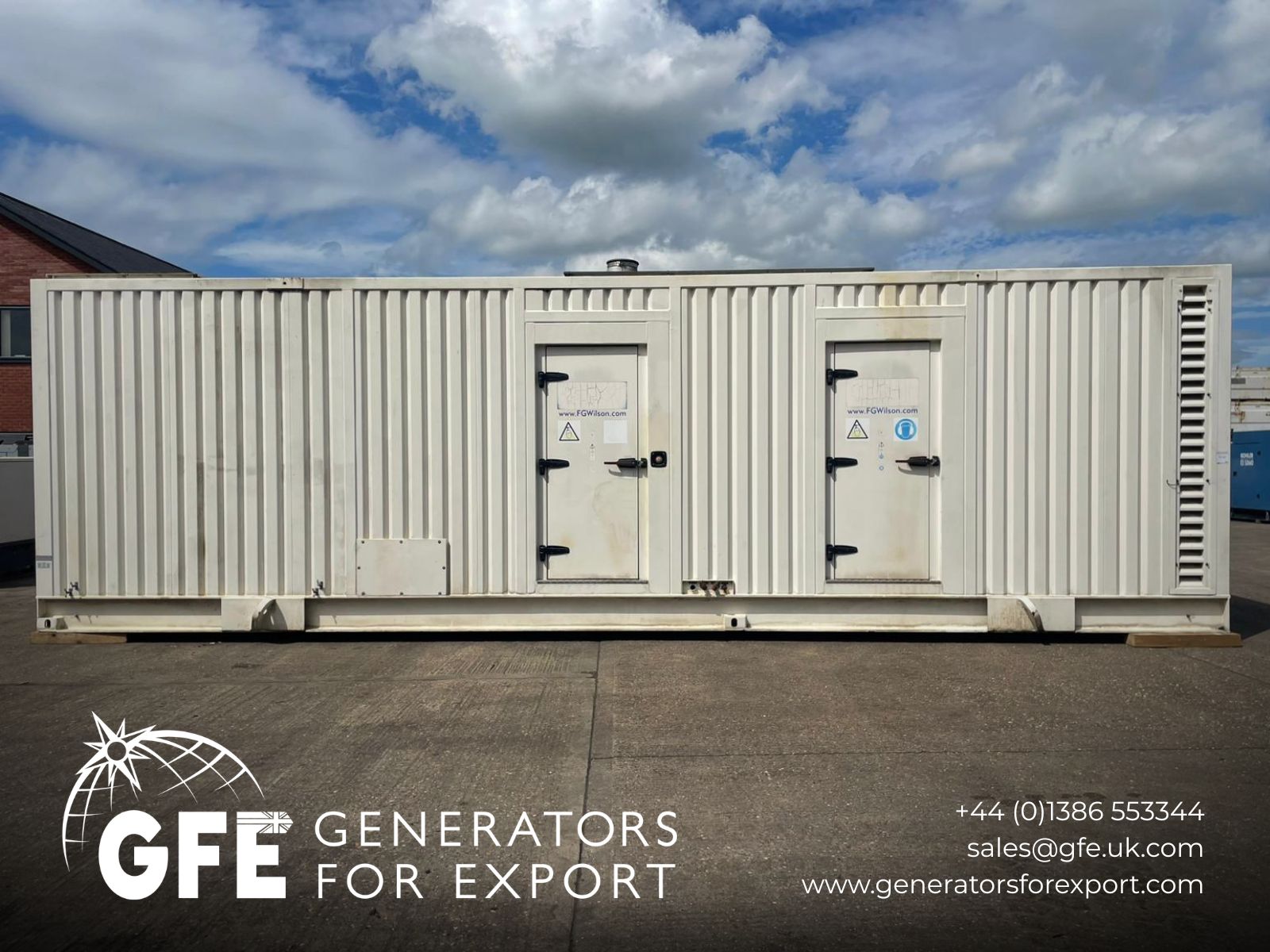
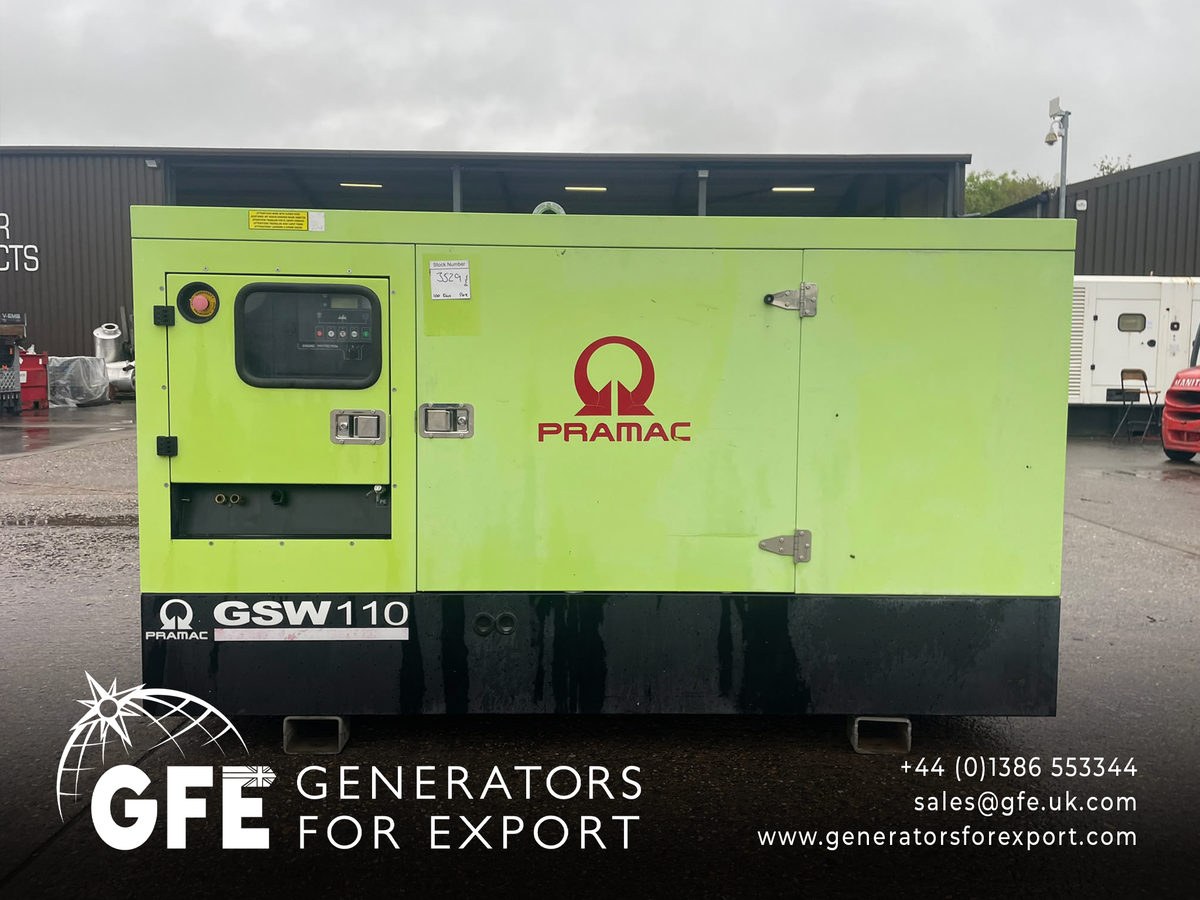
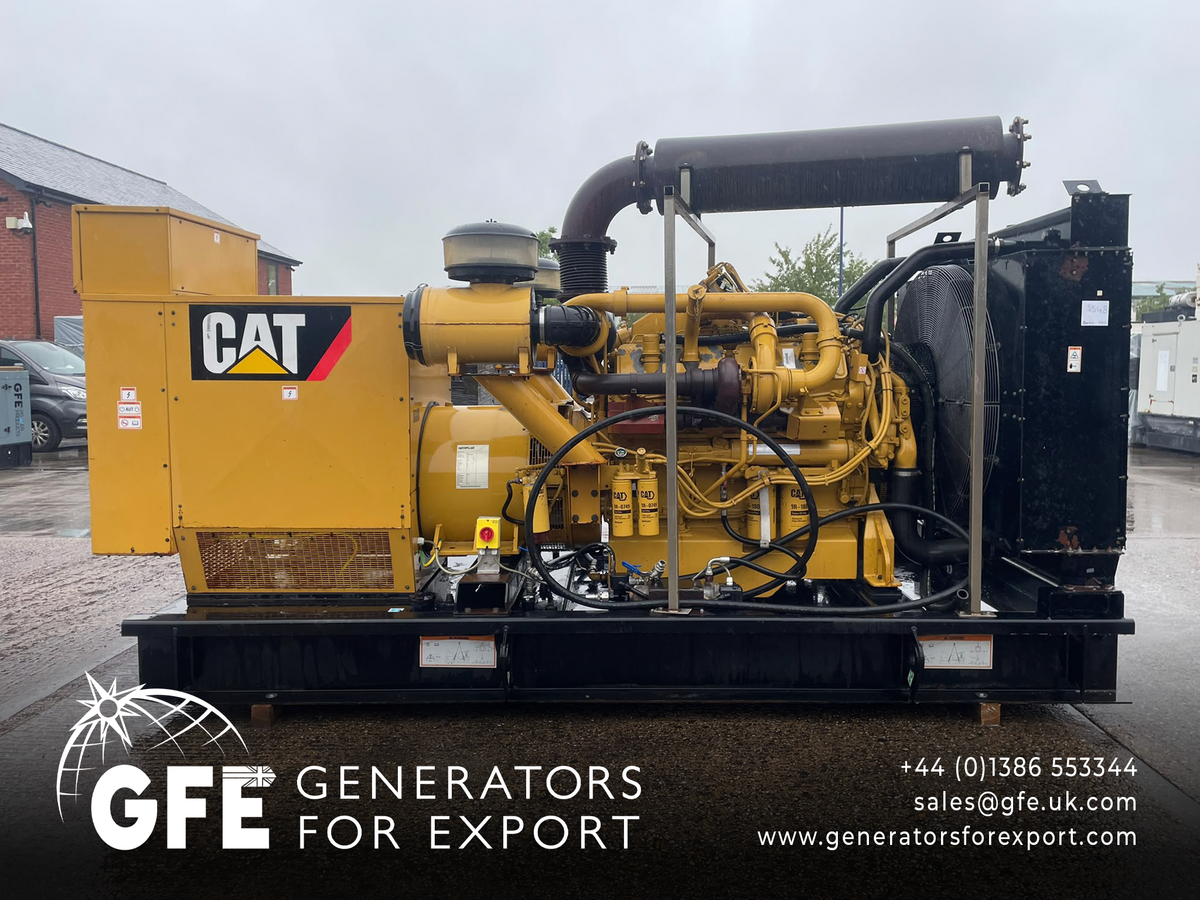
Diesel generators scale to almost any requirement. A small 20kVA set can power a clinic or a small business. A 500kVA unit can support a manufacturing facility. A containerised multi-set installation can power a data centre or a mining operation. The same fundamental technology, the same fuel, the same maintenance principles, applied across an enormous range of applications and output levels.
Speed of deployment
Building grid infrastructure takes years and requires substantial investment in transmission lines, substations, and generation capacity. A diesel generator can be shipped, installed, and commissioned in days or weeks. For businesses, NGOs, and government projects that cannot wait for grid development to catch up, diesel generation provides power now rather than at some point in the future.
Independence from grid conditions
Perhaps most importantly, a diesel generator is completely independent of the local grid. In markets where grid reliability cannot be guaranteed, that independence is not a luxury. It is a fundamental requirement for any operation that cannot afford to stop.
The Role of Used Generators in Developing Markets
New generators represent a significant capital investment that is out of reach for many buyers in developing markets. This is where the international trade in quality used diesel generators plays a genuinely important role.
A used generator that has completed its economic life in the UK, replaced as part of an infrastructure upgrade, surplus to requirements following a project, or simply superseded by a newer installation, may have years or decades of reliable service ahead of it in a developing market context. The engineering quality of generators from manufacturers like Cummins, Perkins, Volvo Penta, and Caterpillar means that well-maintained units retain substantial operational value long after the original owner has moved on.
For buyers in Nigeria, Ghana, Iraq, Kenya, Pakistan, and dozens of other markets, a quality used generator sourced from a reputable UK supplier represents an affordable route to reliable independent power that a new unit simply cannot match on price.
What to Look for When Buying a Used Generator for Export
Not all used generators are equal, and buying for deployment in a developing market context requires particular attention to a few key factors.
Engine brand and parts availability
Cummins, Perkins, and Caterpillar engines have the broadest global parts networks. Sourcing components for these brands in most developing markets is significantly more straightforward than for less common alternatives.
Condition and service history
A generator with a documented service history and known provenance will always be a more reliable purchase than one without. Ask for hours on the clock, evidence of recent servicing, and details of the installation it has come from.
Supplier reputation
Buy from a supplier who sources directly from UK businesses, inspects equipment before sale, and can provide honest, accurate condition assessments. The risk of buying from an unreliable source is considerably higher when the equipment is going to a market where replacement parts and technical support may be harder to access.
Export readiness
Check that the supplier can support shipping documentation, export logistics, and any certification requirements for the destination market.
Generators For Export: Supplying Developing Markets Worldwide
At Generators For Export, supplying quality used diesel generators to developing markets is a core part of what we do. We source directly from UK businesses, including industrial facilities, data centres, construction projects, and commercial buildings, and every unit we sell has been inspected by our engineers before it leaves us.
We have supplied generators to buyers across West Africa, East Africa, the Middle East, South Asia, and beyond. We understand the logistical requirements of international shipping, the documentation involved in export, and the practical considerations that matter when equipment is going to a market far from our base in Worcestershire.
If you are looking to source used diesel generators for deployment in a developing market, whether you are a local buyer, an international trader, or a project contractor, we would be glad to discuss what we have available and what would suit your requirements.
Call: +44(0)1386 553344 | Email: sales@gfe.uk.com | www.generatorsforexport.com