
For most of the last century, power cuts in the UK were an inconvenience. A brief outage during a storm, a localised fault on the network, something that lasted a few hours and was quickly forgotten. For the majority of businesses and homeowners, a standby generator was a nice-to-have rather than a necessity.
That calculation is changing. And it's changing faster than most people realise.
The Grid Is Under More Pressure Than Ever
The UK's electricity infrastructure was built for a different era one of predictable, centralised generation and relatively stable demand. Climate change is disrupting both sides of that equation simultaneously.
On the supply side, the shift toward renewable energy (welcome as it is) for long-term sustainability, introduces variability that coal and gas plants never had. Wind doesn't always blow. Solar doesn't always shine. Grid operators are managing an increasingly complex balancing act, and the margins for error are tighter than they used to be.
On the demand side, electrification is accelerating. Heat pumps, electric vehicles, data infrastructure, and industrial processes that previously ran on gas are all moving onto the grid. More demand, more complexity, and an ageing transmission network that wasn't designed for any of this.
The result is a grid that is more vulnerable to disruption than the one most UK businesses grew up with.
Extreme Weather Is No Longer Extreme
The storms that used to make headlines because they were unusual are becoming routine. The UK has seen repeated named storms causing widespread power outages in recent winters. Flooding has taken out substations. High temperatures have stressed cooling infrastructure. Prolonged dry spells have affected water-cooled generation facilities.
Globally, the picture is starker still. Hurricanes, wildfires, floods, and heatwaves are taking down power infrastructure with increasing frequency and severity. In markets across Africa, the Middle East, and South Asia where grid reliability was already a challenge climate-driven disruption is compounding existing problems significantly.
For any business that depends on continuous power, the question is no longer whether disruptions will happen. It's how long they'll last and whether you're prepared for them.
What a Power Cut Actually Costs
The financial case for backup power becomes straightforward when you start to quantify what downtime actually costs.
For a data centre, even a few minutes of unplanned downtime can breach service level agreements and trigger significant contractual penalties. For a manufacturer, a production line that stops unexpectedly doesn't just lose output it can damage equipment, spoil materials, and require a costly restart sequence. For a cold storage facility, an outage of a few hours can mean the loss of an entire stock of perishable goods. For a hospital or healthcare facility, the stakes are higher still.
Most businesses significantly underestimate their exposure until they've experienced an outage and counted the cost. The businesses that have invested in backup power tend not to make that mistake twice.
Why Diesel Generators Remain the Answer
Battery storage is improving rapidly and plays a valuable role in bridging short gaps and smoothing transitions. Renewable microgeneration can reduce dependency on the grid for day-to-day consumption. But for sustained, dependable backup power that can run for hours or days without external input, diesel generators remain the most proven and practical solution available.
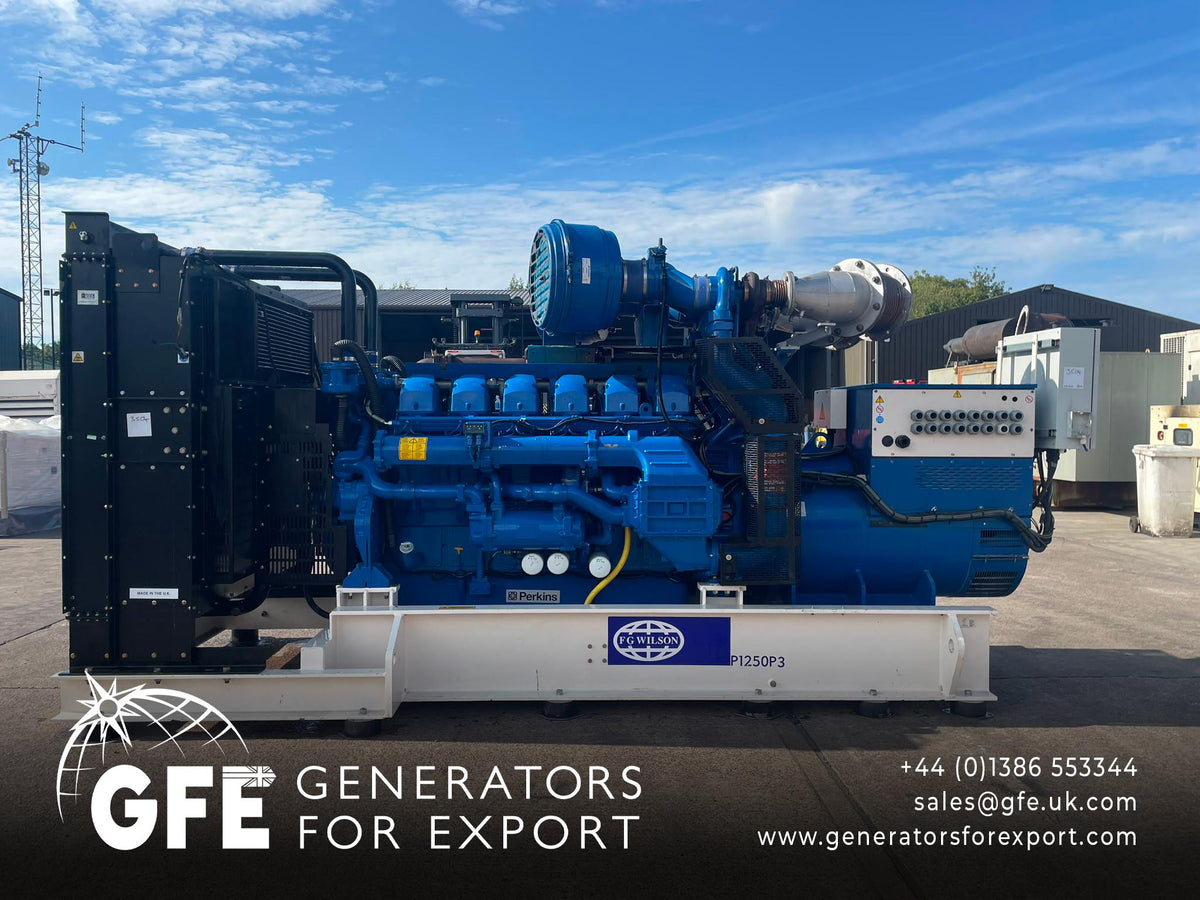
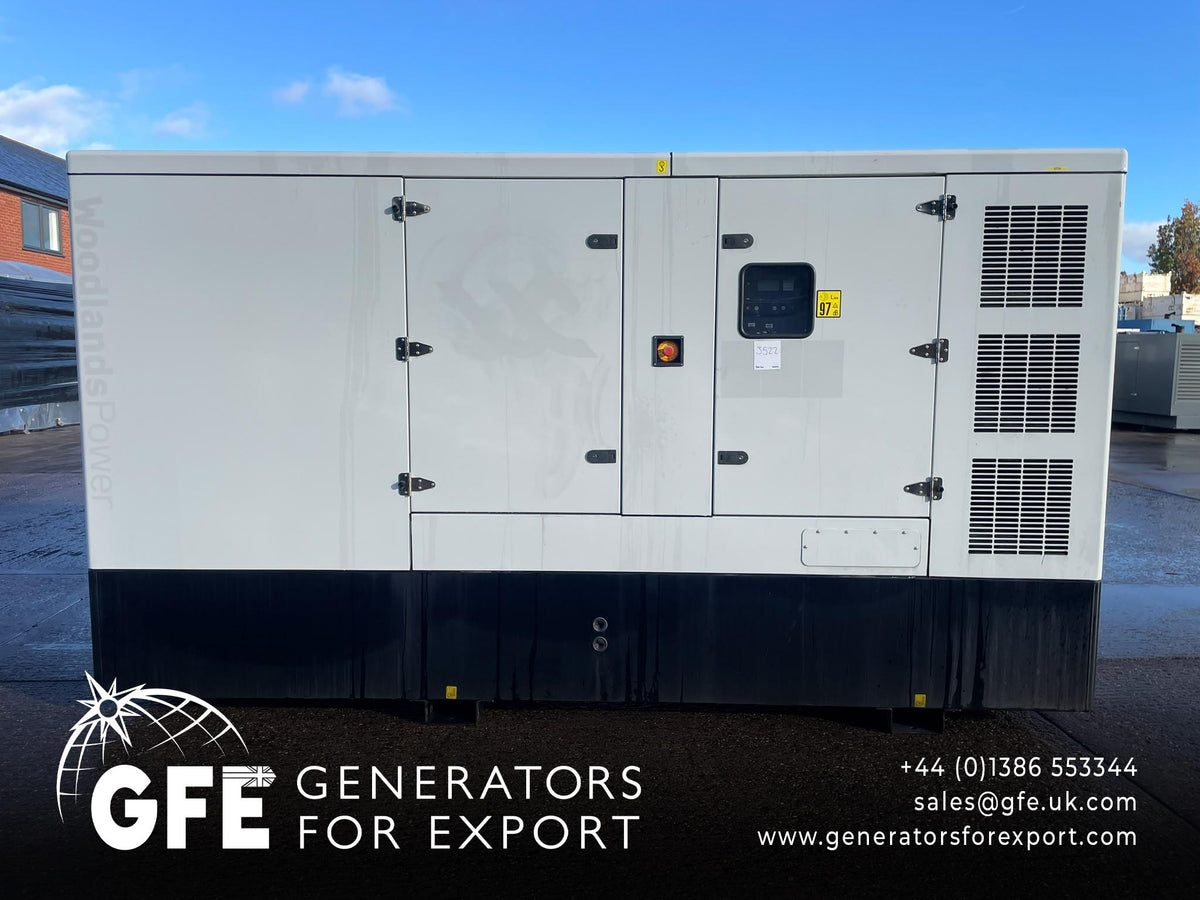
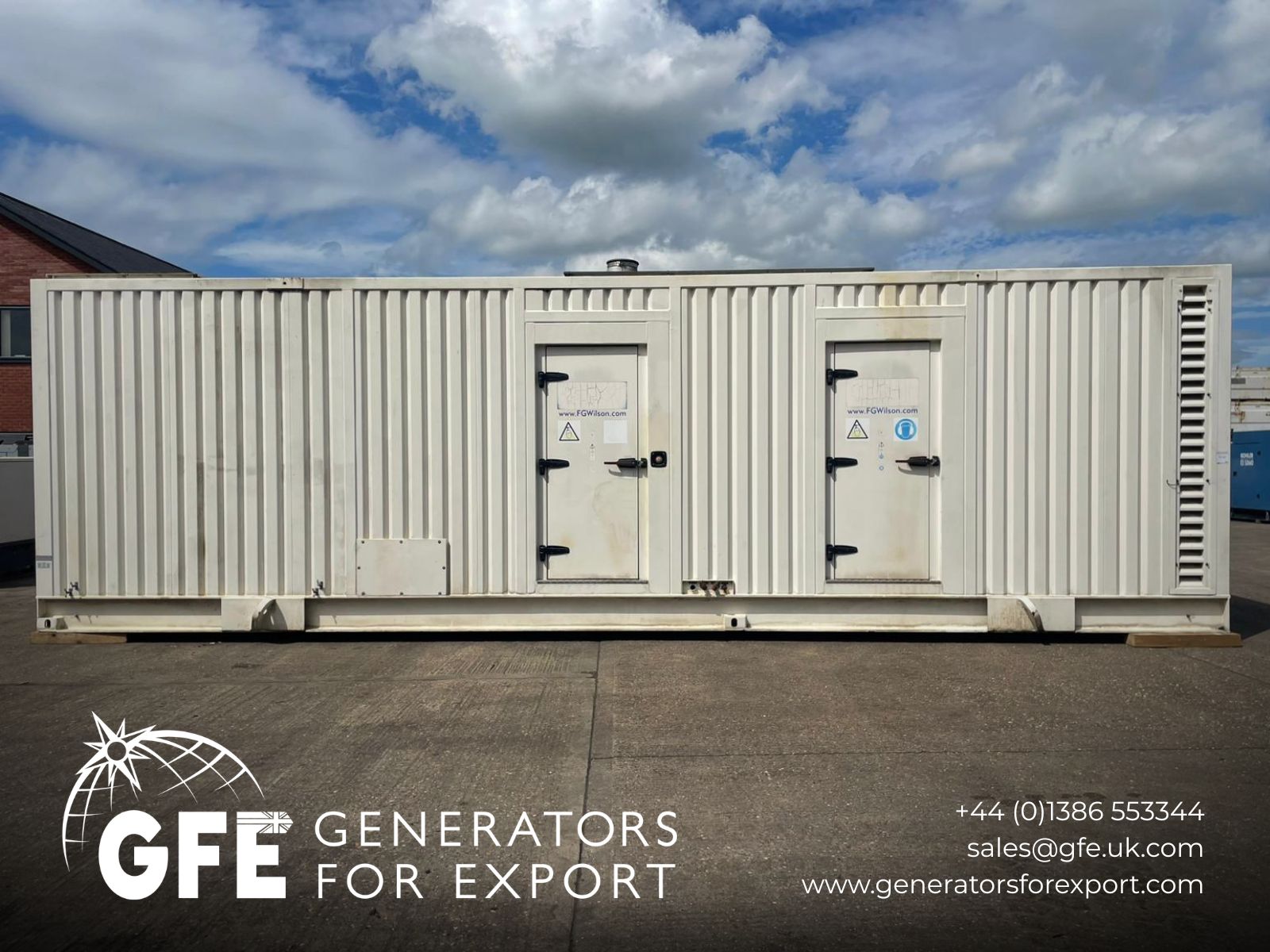
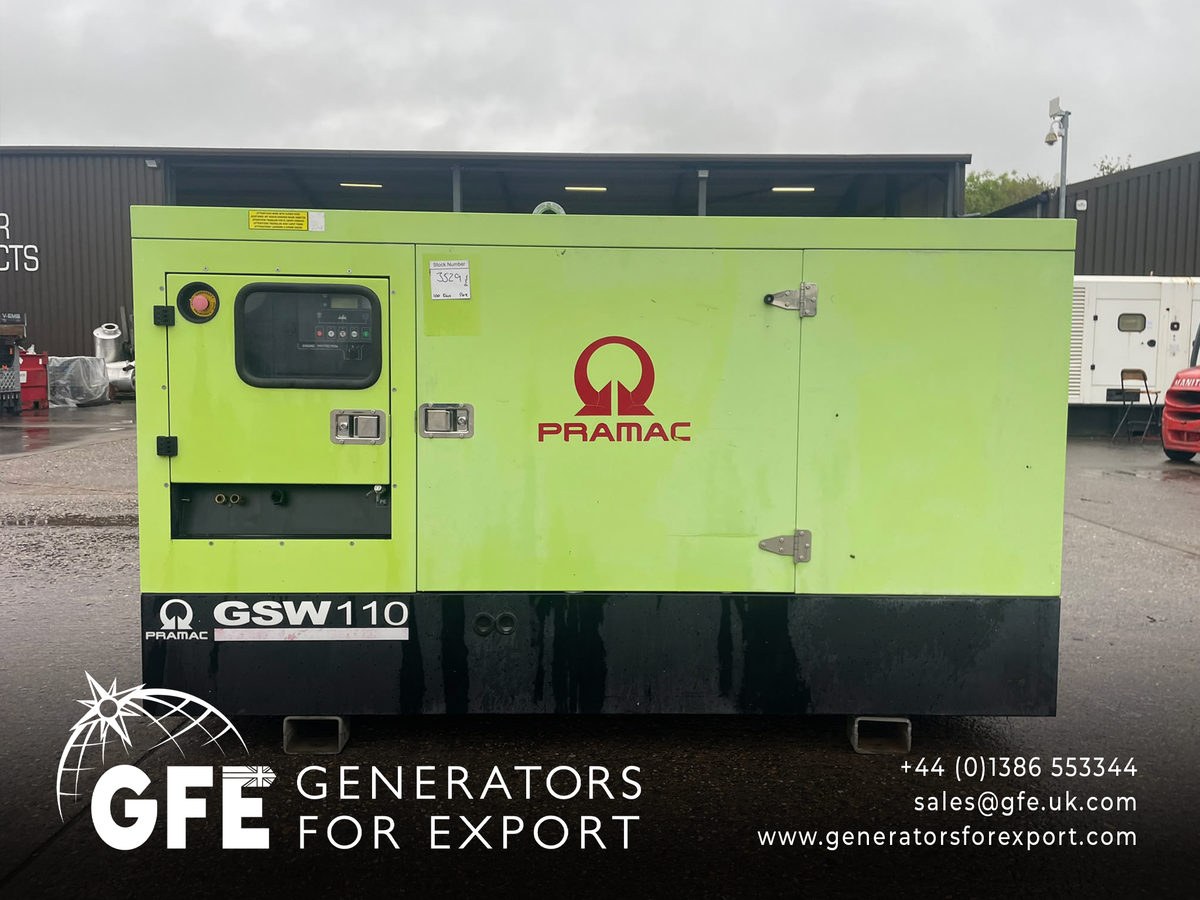
They respond within seconds of a grid failure when paired with an automatic transfer switch. They run as long as there is fuel which can be stored on site in volumes that support days of autonomous operation. They are scalable, from a small canopied set for a single commercial building to a containerised multi-megawatt installation for a data centre or industrial facility. And they don't rely on weather conditions or grid infrastructure to function.
As climate risk increases, the value of that independence increases with it.
Used Generators: The Practical Choice
For many businesses, the barrier to investing in backup power has been cost. A new large-output generator represents a significant capital expenditure, and for organisations that have never experienced a serious outage, it can be a hard investment to justify internally.
This is where the used generator market provides a genuinely compelling alternative. A well-maintained used diesel generator from a reputable supplier properly inspected, tested, and prepared can deliver the same operational protection as a new unit at a fraction of the cost. For businesses looking to establish backup power capability without a major capital commitment, used generators represent the most practical route in.
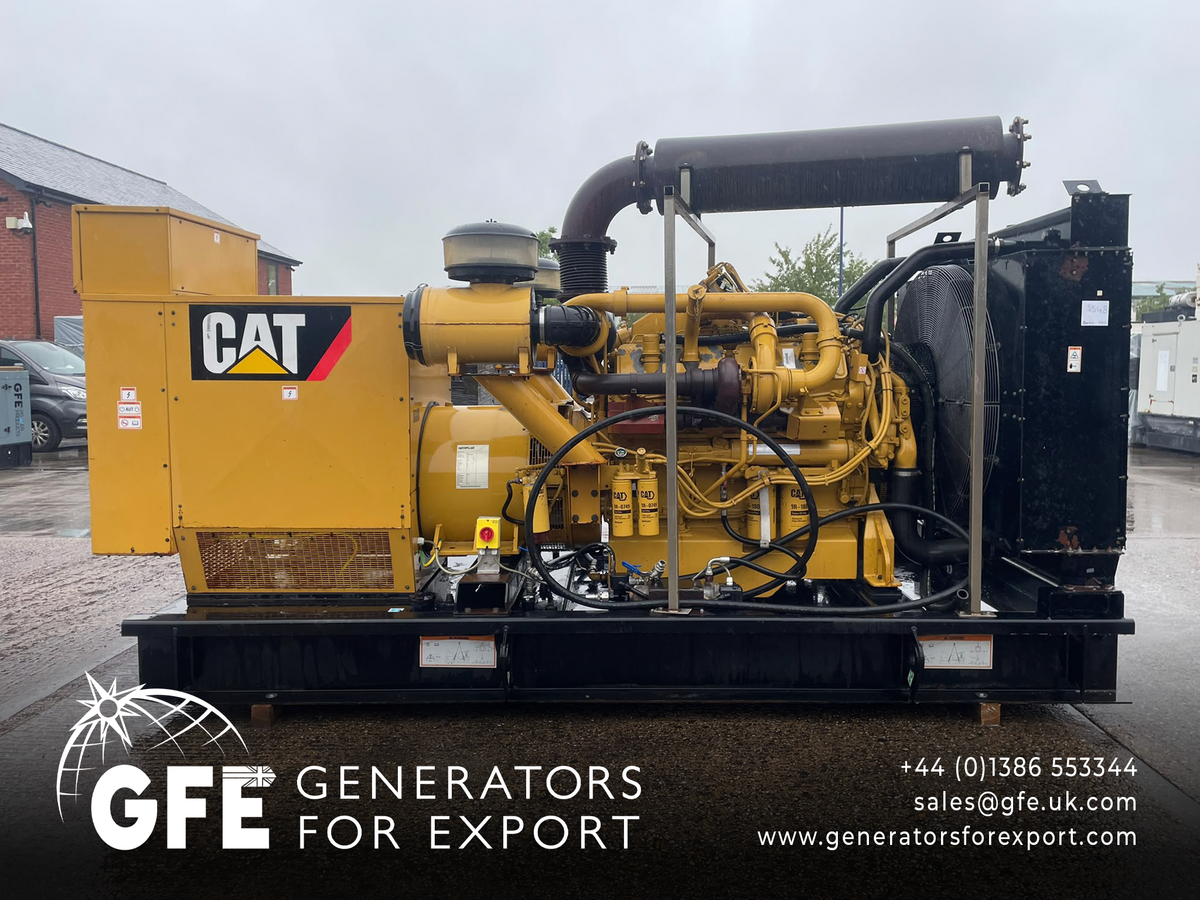
At Generators For Export, we stock a wide range of used diesel generators from leading manufacturers including Cummins, Perkins, Volvo Penta, Caterpillar, and SDMO. Every unit we sell has been sourced directly from UK businesses, inspected by our engineers, and prepared for its next deployment.
Already Have a Generator You No Longer Need?
As businesses upgrade their power infrastructure moving to larger, newer, or more efficient systems older generators regularly become available. If you have a used generator that has been superseded, decommissioned, or is simply surplus to requirements, we buy directly from UK sellers and handle the full removal process from start to finish.
Our engineers come to you, assess the set on site, agree a price, and arrange collection at a time that suits your operations. You don't need to move it, disconnect it, or organise logistics. We take care of everything.
The Right Time to Act Is Before You Need It
The businesses that are best placed to weather the disruption that climate change is bringing to power infrastructure are the ones that have planned ahead. A generator installed and tested before an outage occurs is worth considerably more than one ordered in a panic during one.
Whether you're looking to protect your operations with a reliable used generator, or you have equipment you'd like to sell, Generators For Export is here to help.
Call: +44(0)1386 553344 | Email: sales@gfe.uk.com