Understanding Emergency Backup Systems
Hospitals depend on electricity for almost every aspect of patient care. From life-support machines and surgical lighting to refrigeration for medicines and digital record systems, continuous power is not just important, it is essential. A single power cut can have serious consequences, which is why hospitals are equipped with robust backup power systems designed to respond instantly when the grid fails.
The Impact of a Power Cut in a Hospital
When a hospital loses power, the effects are immediate. Medical devices stop functioning, lighting goes out, communication systems are disrupted, and operating theatres are plunged into darkness. Even a brief interruption can endanger lives, interrupt surgeries, or delay critical treatments.
Essential services that depend on electricity include:
- Life-support equipment such as ventilators and monitors
- Operating theatre lighting and equipment
- Diagnostic imaging (CT, MRI, X-ray machines)
- Electronic patient records and hospital IT systems
- Pharmaceutical refrigeration and laboratory equipment
- Security, alarms, and access systems
To prevent disaster, hospitals must have a reliable, automated emergency power system capable of taking over within seconds of an outage.
How Hospital Backup Power Systems Work
Hospitals are legally required to have emergency power solutions in place that ensure continuity of care and patient safety. These systems typically operate in layers for redundancy and reliability.
1. Uninterruptible Power Supply (UPS)
When the mains power fails, a UPS provides instant short-term backup using stored battery energy. This prevents any interruption to critical systems, keeping vital equipment running while larger systems start up.
The UPS bridges the gap between the power outage and the moment the backup generator comes online.
2. Diesel Generators
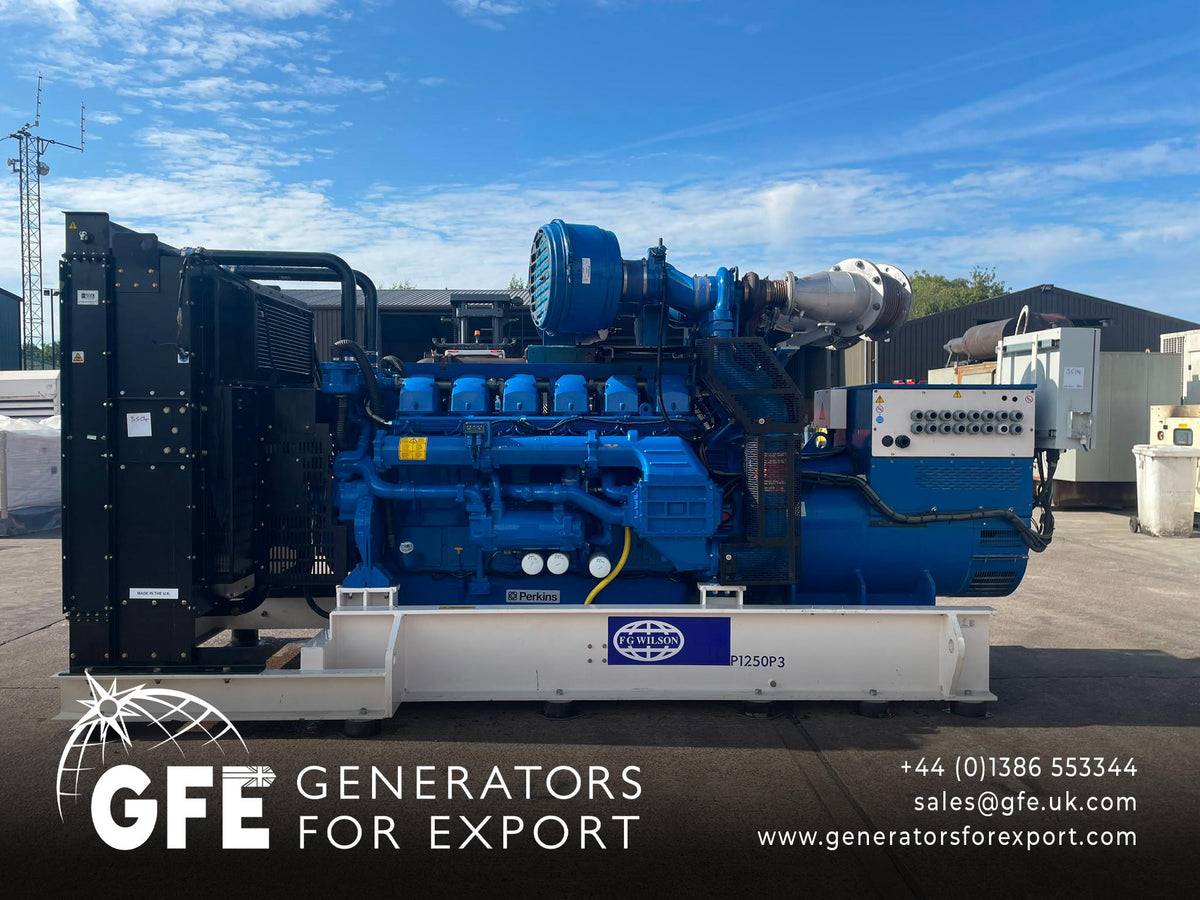
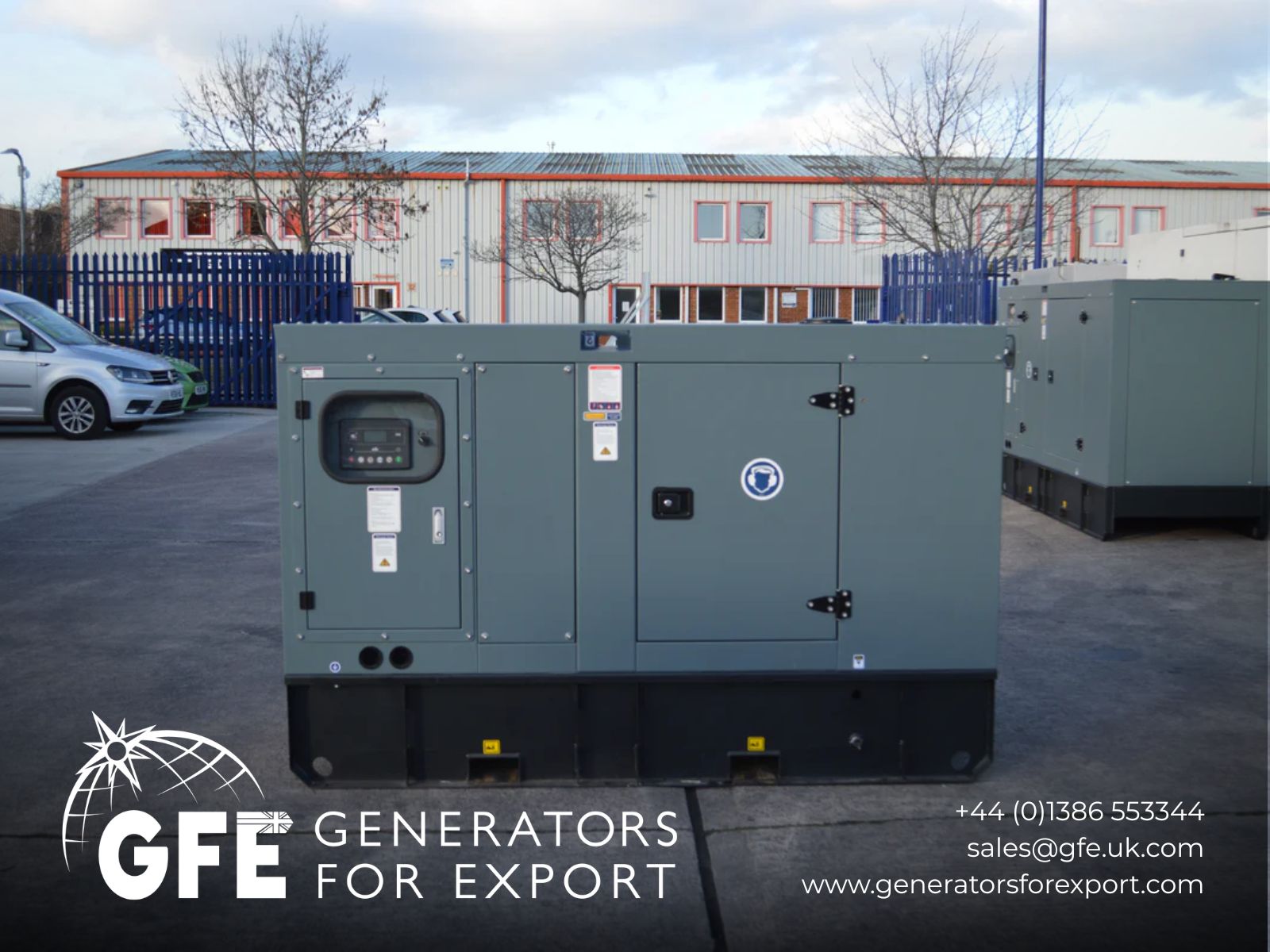
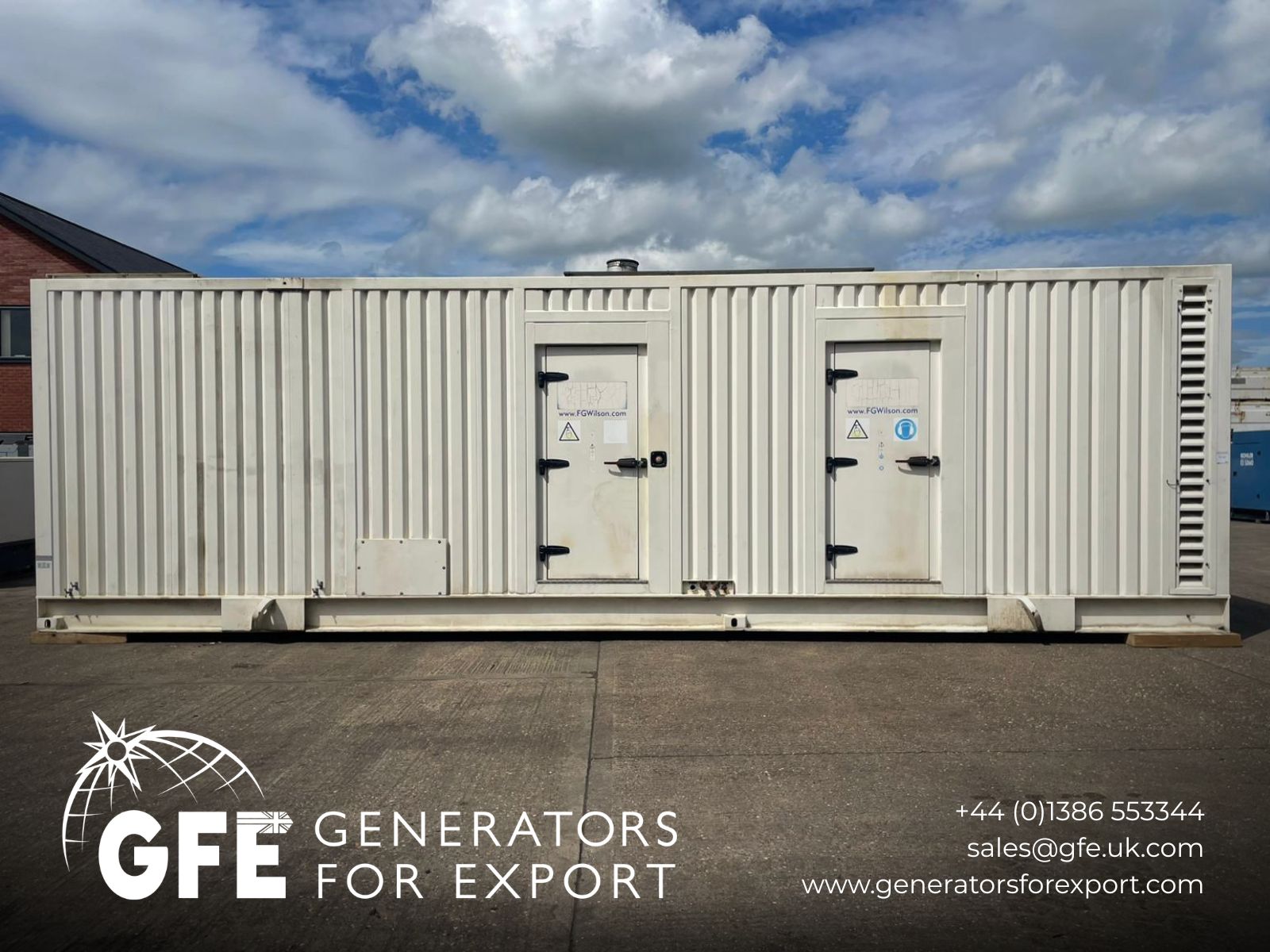
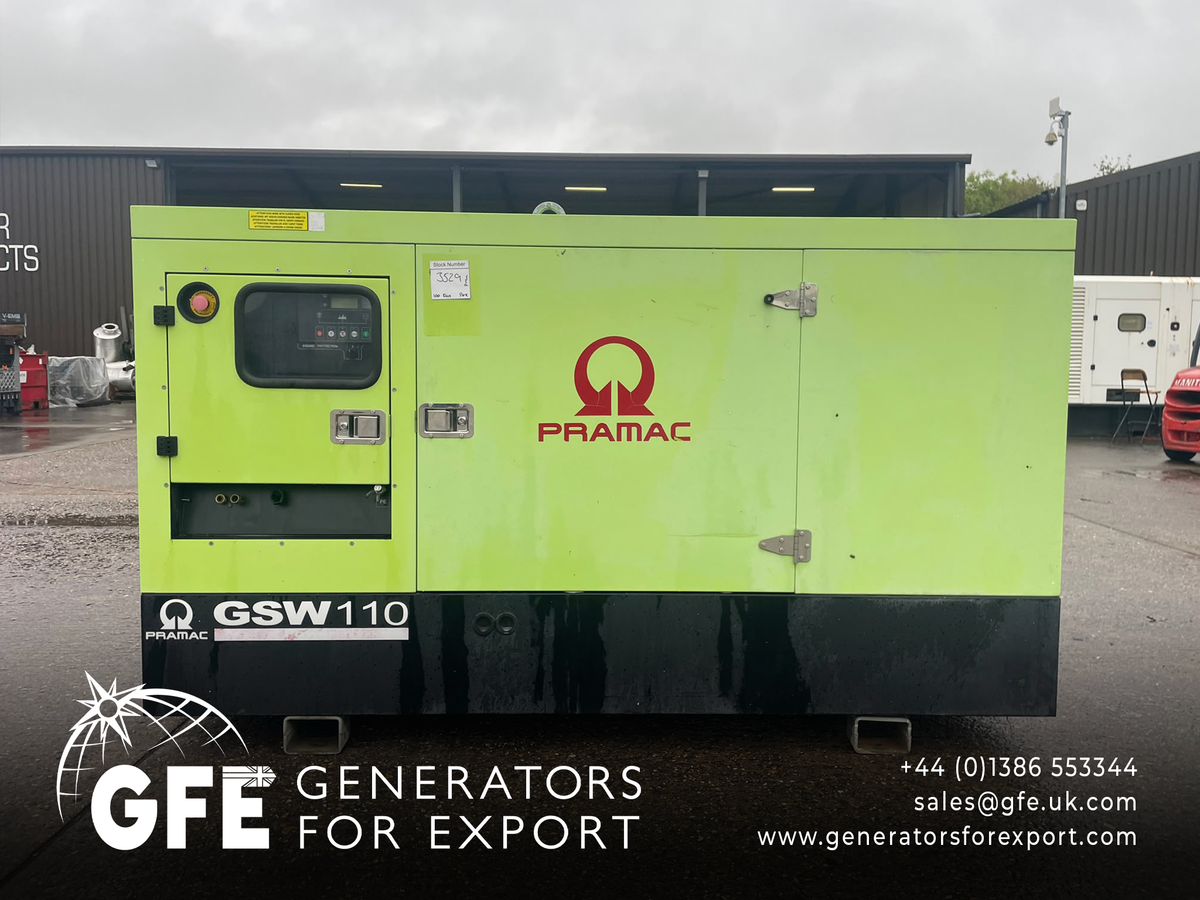
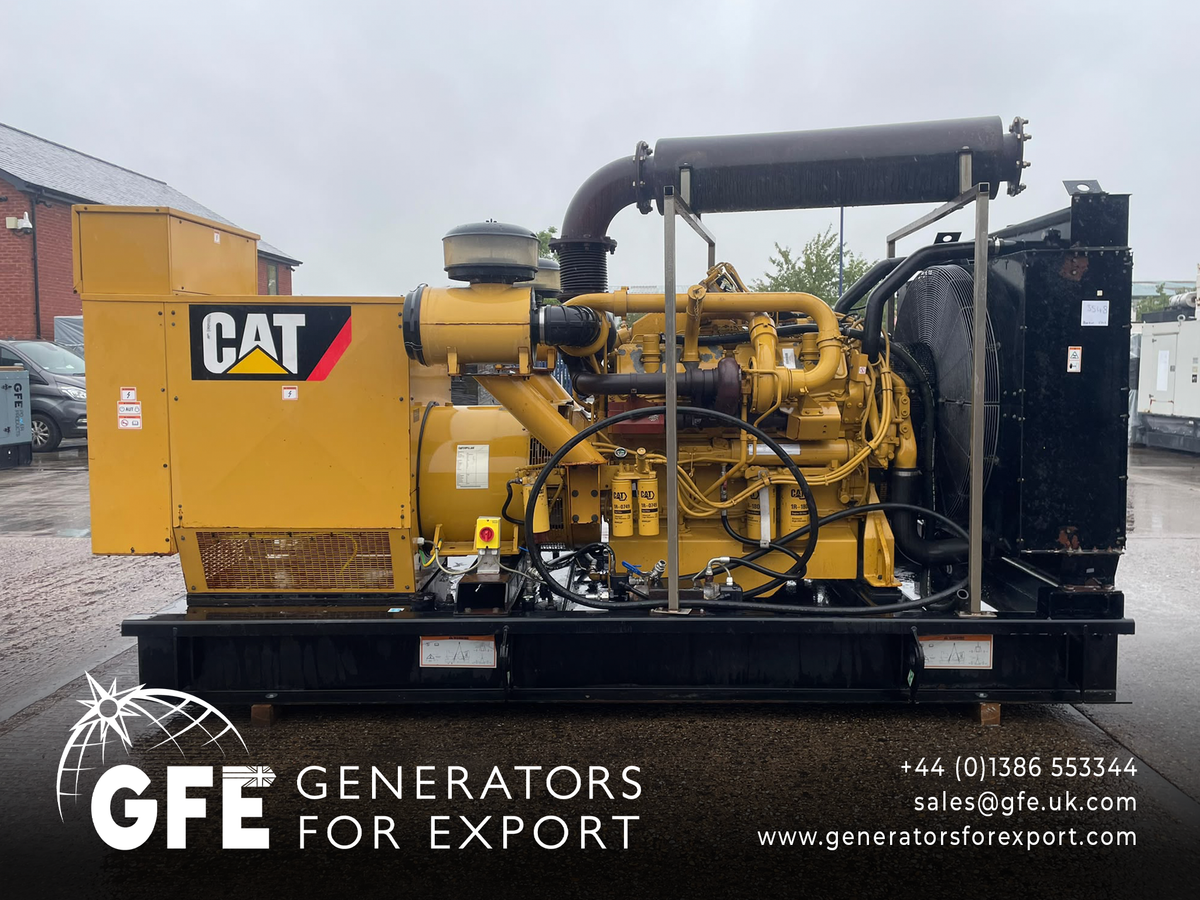
Within seconds of a power failure, diesel generators automatically start and assume the electrical load. These generators are powerful enough to supply all essential hospital services for as long as needed.
Generators are often linked in parallel to provide redundancy, ensuring that if one fails, another can immediately take over.
3. Automatic Transfer Switch (ATS)
The ATS monitors incoming power and automatically switches the electrical supply from the grid to the generator during an outage. Once mains power is restored and stable, it transfers the load back seamlessly.
4. Fuel Storage and Monitoring
Hospitals maintain sufficient on-site fuel reserves to keep generators running for many hours or even days during extended outages. Regular maintenance and fuel quality checks are essential to guarantee reliability.
Testing and Maintenance
Reliability is everything in a healthcare environment. Backup power systems are tested regularly, often weekly, to confirm they start and carry load properly. Hospitals also conduct load bank tests to verify that the generator can handle real-world demand.
Routine servicing, inspections, and fuel management prevent system failures and ensure compliance with government standards.
Why Generators Are Vital for Hospital Safety
Backup generators are not just a precaution; they are a legal and operational requirement. They ensure that critical departments such as intensive care, theatres, and emergency rooms can continue operating even during prolonged power cuts.
Without them, hospitals would face life-threatening risks, equipment failures, and severe disruption to patient care.
At Generators for Export, we understand the precision and reliability hospitals need. We supply tested, high-quality used diesel generators that deliver dependable power for medical and healthcare environments worldwide.
Why Choose Generators for Export for Healthcare Power Solutions
At Generators for Export, we recognise that healthcare facilities operate under some of the most demanding conditions imaginable. Our expertise in critical power solutions means we understand the importance of maintaining continuous operation. Every used generator we supply is rigorously inspected and load tested before it leaves our facility, ensuring dependable performance when lives depend on it. We deliver export-ready generators that hospitals and clinics can trust to perform under pressure, wherever they are in the world.
Protect Patient Care with Reliable Backup Power
A hospital’s ability to save lives depends on uninterrupted electricity. Reliable generators form the foundation of emergency resilience, providing the confidence that critical systems will never fail when they are needed most.
At GFE, we supply durable, high-performance used diesel generators suitable for hospitals, clinics, and healthcare providers. Whether you need a single standby unit or a complete backup system, we can help design a solution that ensures safety and reliability.
Contact us today to discuss your healthcare facility’s power requirements and find a generator you can trust to keep life-saving systems running without interruption.
Call: +44(0)1386 553344 | Email: sales@gfe.uk.com