Power cuts are an inconvenience, and can cause serious disruption for businesses and households that rely on continuous electricity. While the UK has one of the most reliable power networks in the world, outages do still happen due to weather, maintenance work, or faults on the grid. Knowing how long they typically last, and how to prepare for them, can help reduce the impact and protect your home or business.
Typical Duration of Power Cuts in the UK
Most UK power cuts are relatively short. According to Ofgem and National Grid data, the average outage lasts between 30 and 60 minutes, although this can vary depending on location and the cause.
Here is a general overview:
- Minor faults or maintenance – These are the most common and usually resolved within an hour or two.
- Severe weather events – Storms, flooding, or high winds can damage overhead lines and cause power cuts lasting several hours or, in rural areas, up to 24 hours or more.
- Major network failures – Very rare, but large-scale outages can take a day or more to fully restore.
Urban areas tend to have quicker response times thanks to better infrastructure and easier access, while rural locations often experience longer interruptions due to distance from repair teams and exposed cabling.
Why Power Cuts Happen
There are several common causes of power loss across the UK:
- Extreme weather damaging cables, transformers, and substations
- Scheduled maintenance by electricity network operators
- Equipment failure caused by wear, overload, or faults
- Third-party damage, such as construction or vehicle incidents
- National grid imbalances or generation shortfalls (rare)
Although complete blackouts are uncommon, even short-term outages can cause major disruption for farms, data centres, hospitals, and manufacturing sites where electricity is vital for safety and productivity.
How the UK Restores Power
Electricity Distribution Network Operators are responsible for repairing faults and restoring service. They continuously monitor supply using smart grid systems and remote sensors to identify issues quickly.
In most cases, power is restored in stages, essential services and densely populated areas are prioritised first, followed by isolated or rural connections. Crews are typically despatched immediately after a fault is detected, and mobile generation equipment may be deployed to support critical infrastructure.
What You Can Do During a Power Cut
- Report the outage by calling 105, the free national power cut helpline.
- Unplug sensitive equipment such as computers and appliances to prevent surge damage when power returns.
- Keep fridges and freezers closed to preserve food for several hours.
- Use battery-powered lighting instead of candles for safety.
- Check with neighbours or online outage maps to monitor restoration updates.
Why Backup Power Makes the Difference
For homes, a power cut might mean an evening without lights or Wi-Fi. For a business, it can mean halted production, lost revenue, or equipment failure.
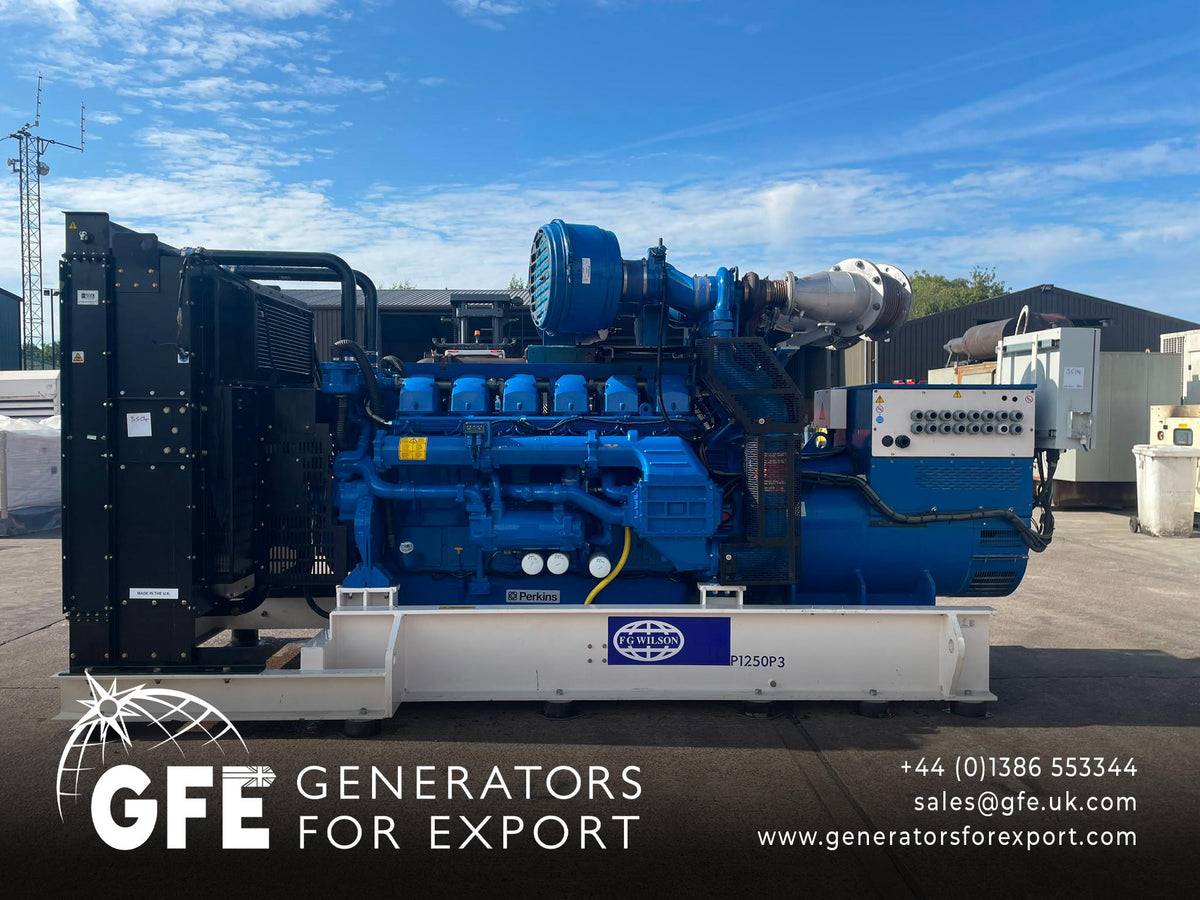
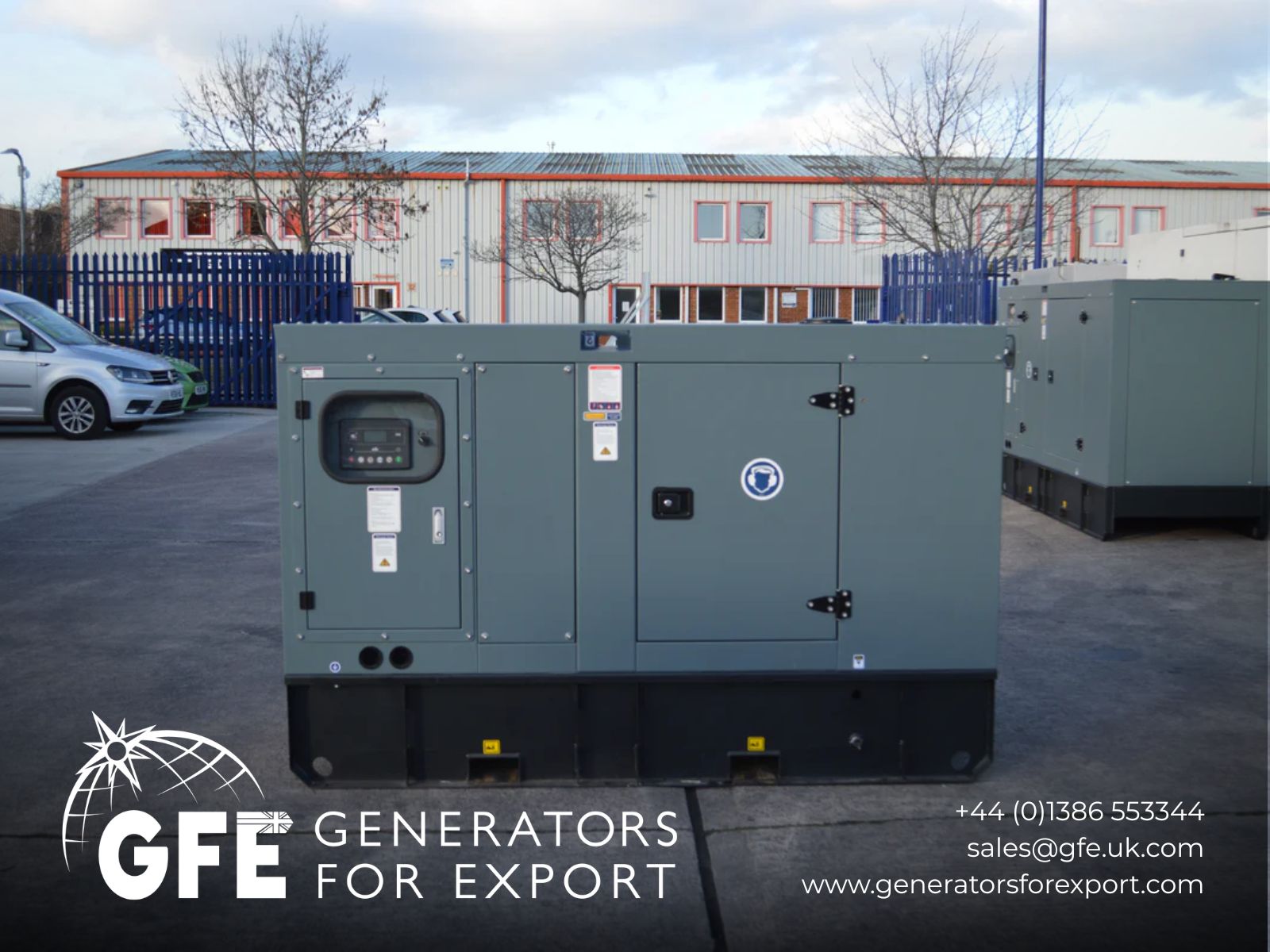
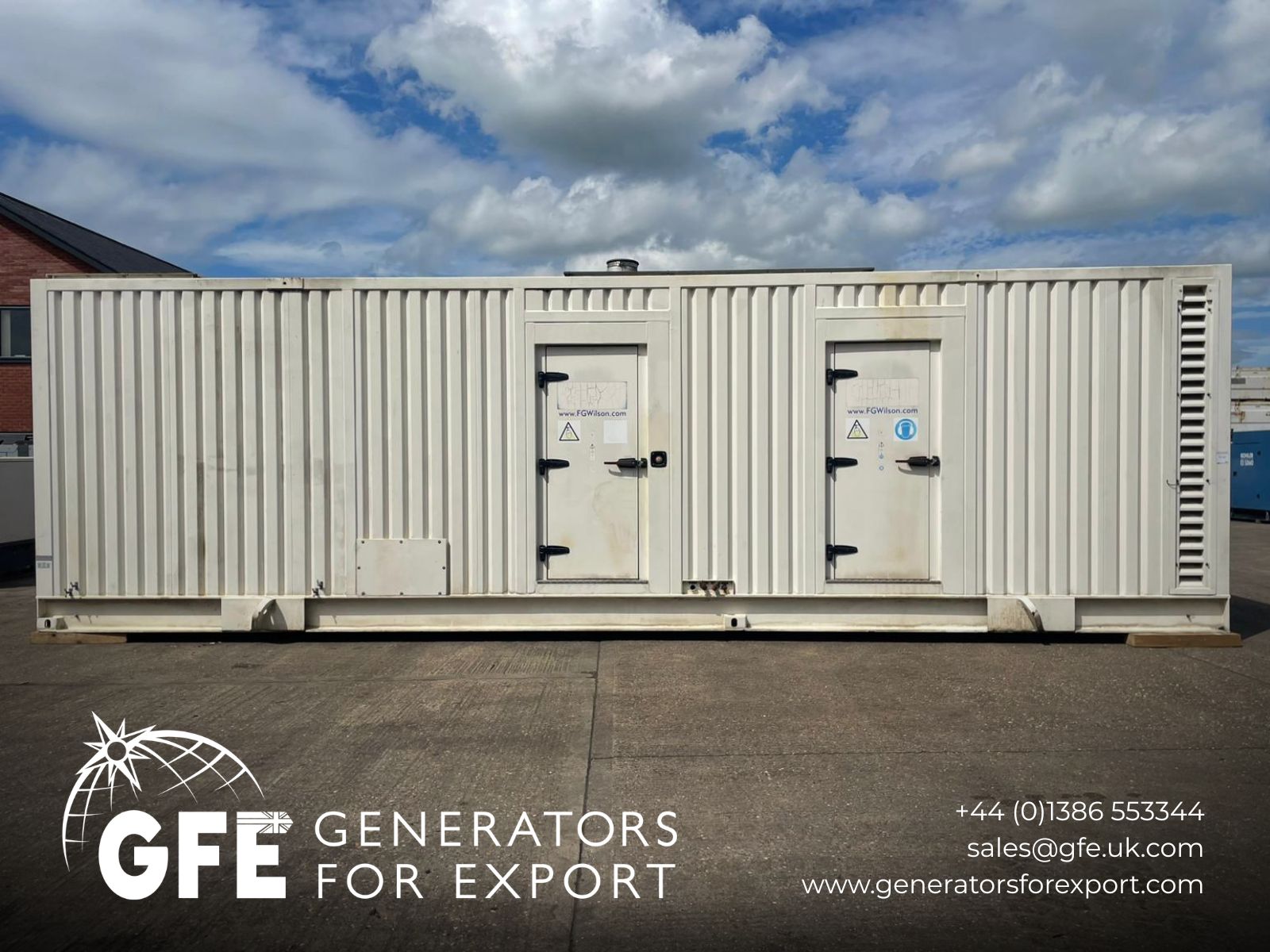
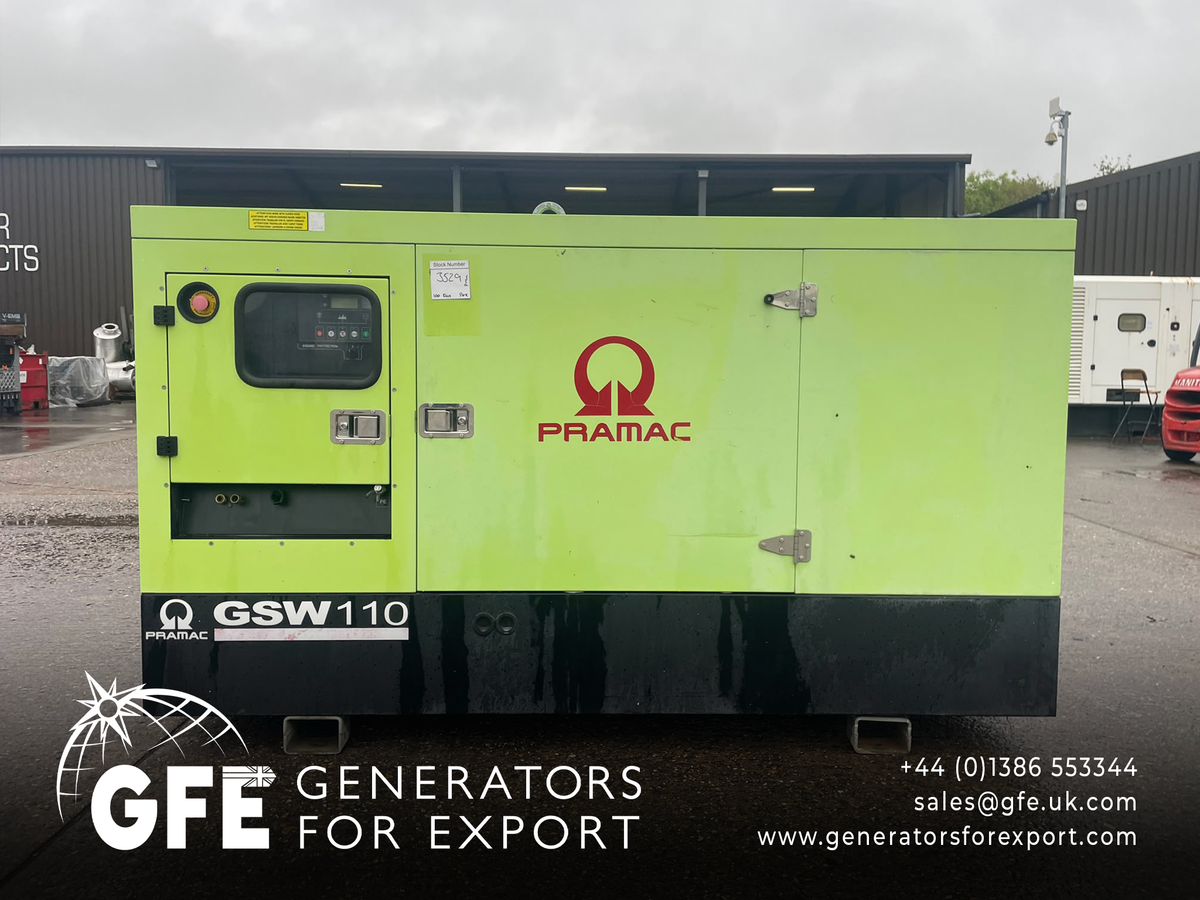
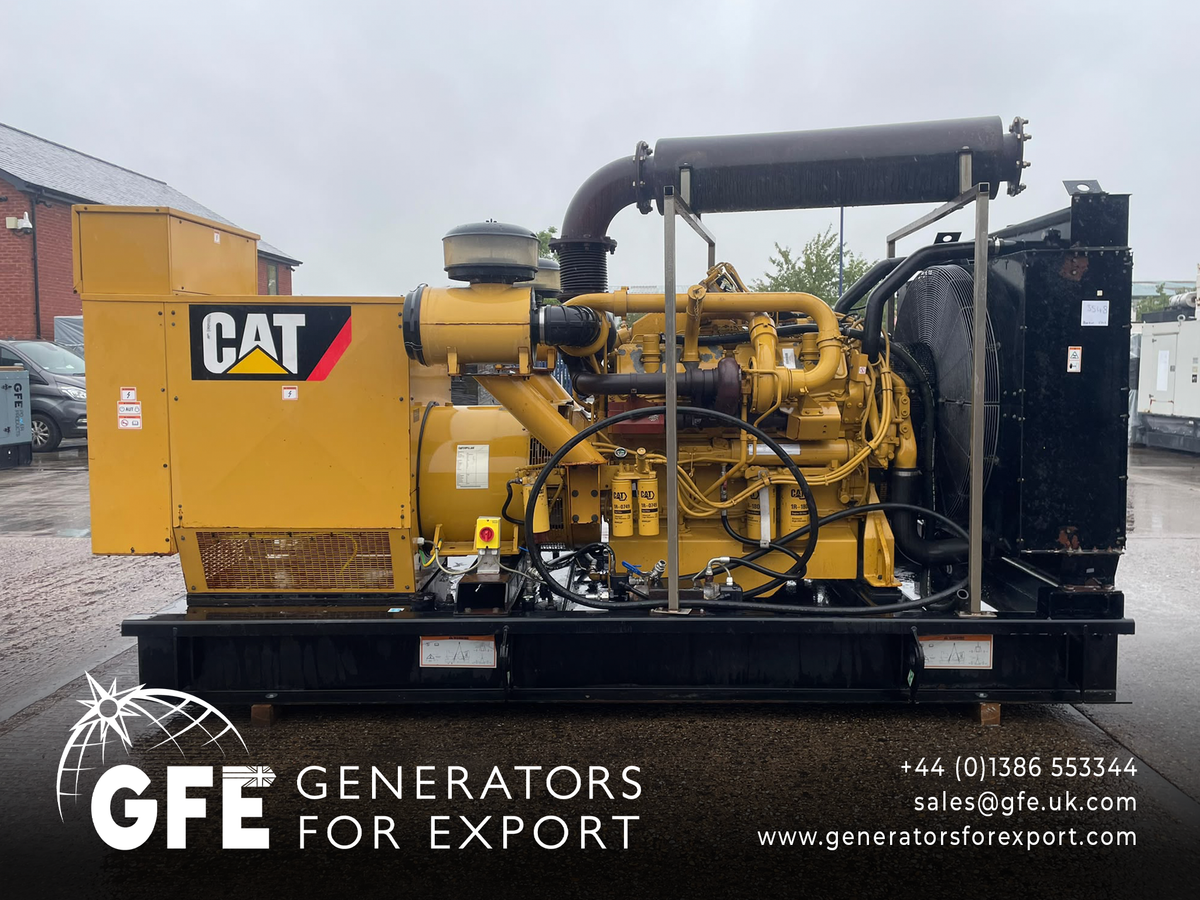
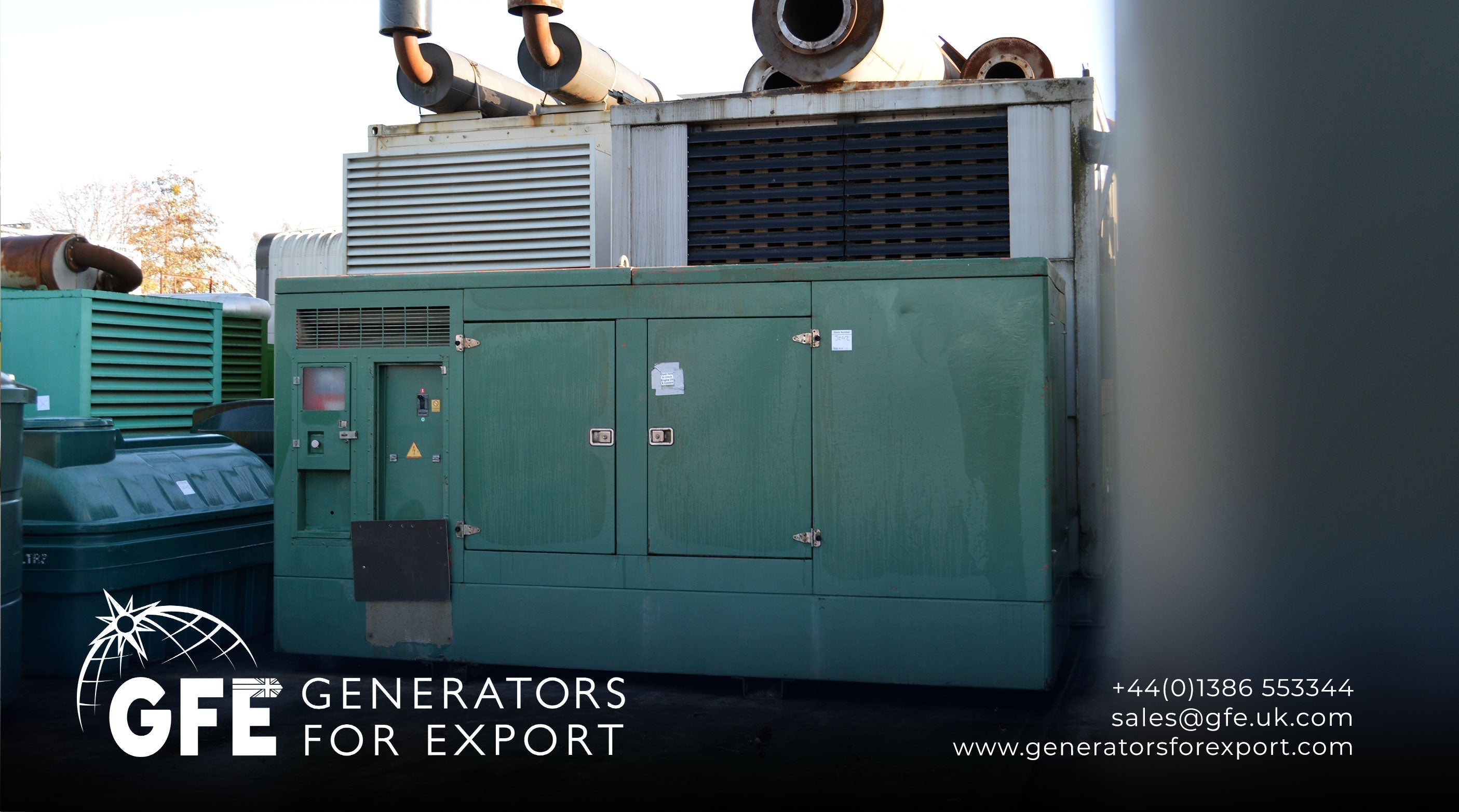
A backup generator bridges this gap by supplying reliable electricity whenever the grid fails. Whether it’s maintaining refrigeration on a farm, keeping data flowing through a server room, or ensuring hospital equipment stays operational, generators provide the assurance that power is always available when it matters most.
Generators For Export: Reliable Power When You Need It Most
At Generators For Export, we specialise in providing dependable backup power solutions for businesses across every sector, from agriculture and healthcare to manufacturing and IT. Each of our used generators is thoroughly tested, serviced, and configured to deliver stable performance during unexpected outages.
Our export-ready used diesel generators are built for efficiency and reliability, giving you confidence that your operations will continue, no matter how long the grid takes to recover. We also offer advice on generator sizing, fuel management, and hybrid options to help you plan for resilience and reduce long-term running costs.
Be Prepared for the Next Power Cut
Power cuts in the UK may be infrequent, but when they happen, the impact can be significant. A reliable generator ensures that your business stays powered and protected through any disruption.
At Generators For Export, we help customers across the world secure continuous, efficient, and dependable backup power.
Contact us today to discuss your power protection needs and find the right used generator to keep you running, whatever happens.
Call: +44(0)1386 553344 | Email: sales@gfe.uk.com