When it comes to healthcare, uninterrupted power is not just a convenience it's essential. Hospitals and healthcare facilities rely on continuous electricity to support life-saving equipment, critical systems, and patient care around the clock.
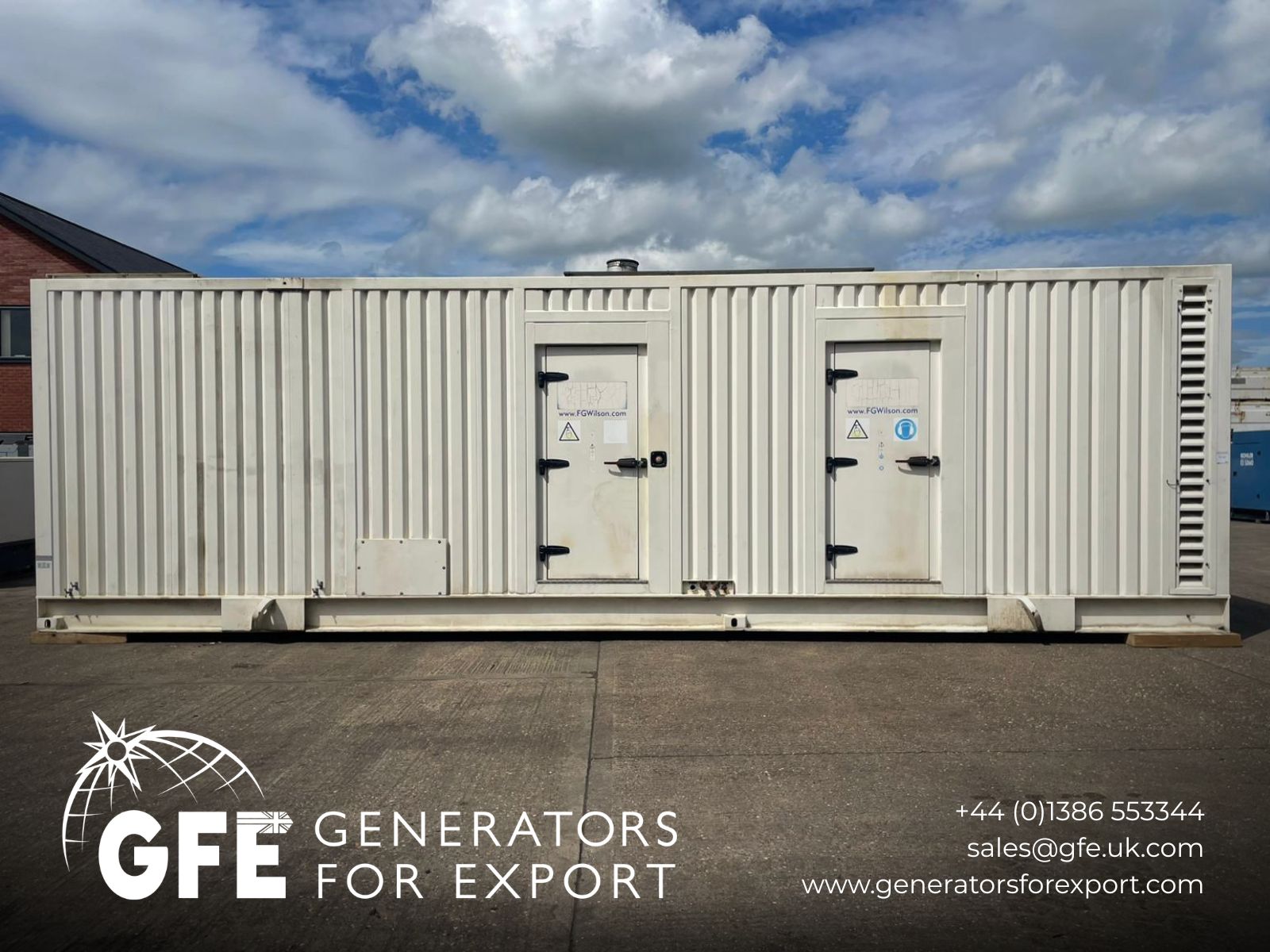
To help strengthen resilience within NHS infrastructure, a major backup power package has recently been prepared and deployed, consisting of three synchronised 40ft super silent containerised generators alongside three refurbished base fuel tanks. This project demonstrates the careful planning, engineering expertise, and rigorous testing required to deliver reliable power solutions where they matter most.
Building a Reliable Power Solution
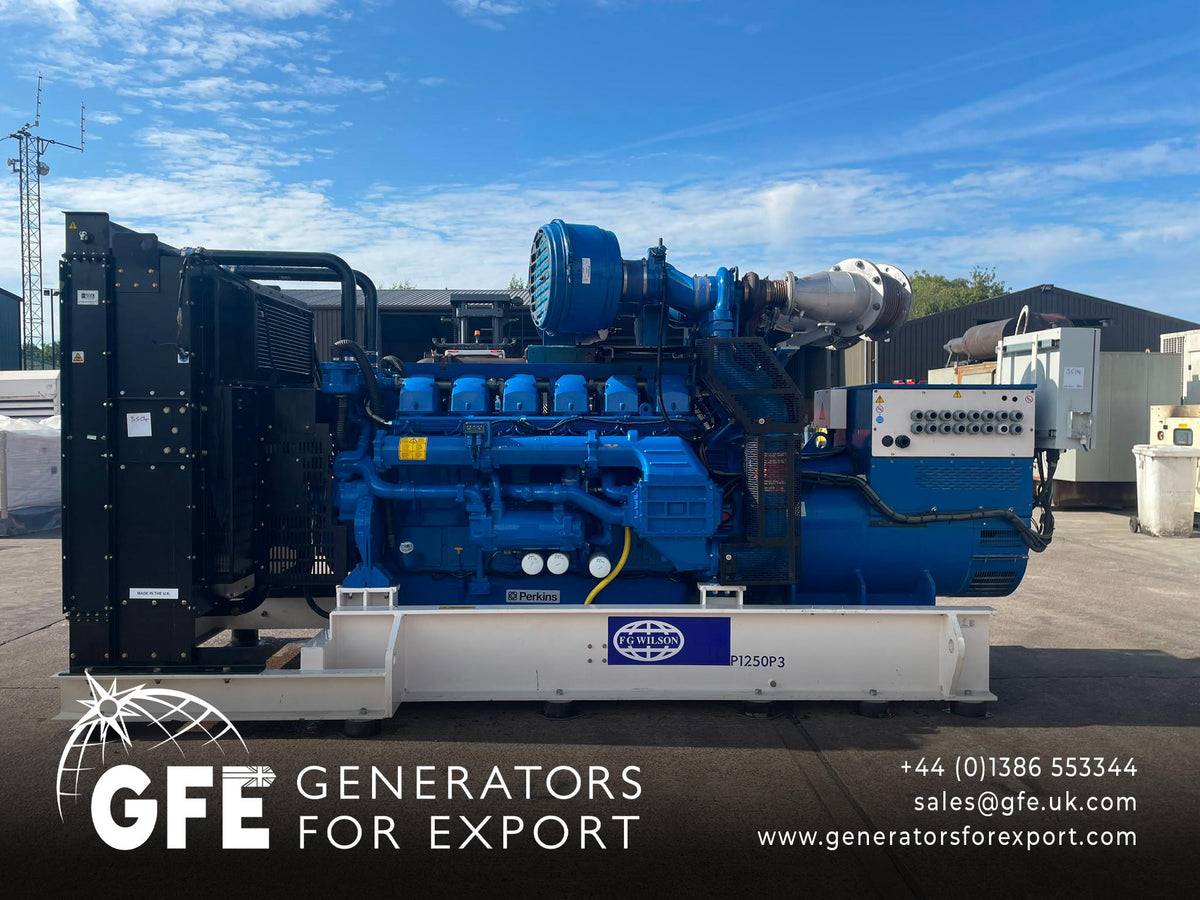
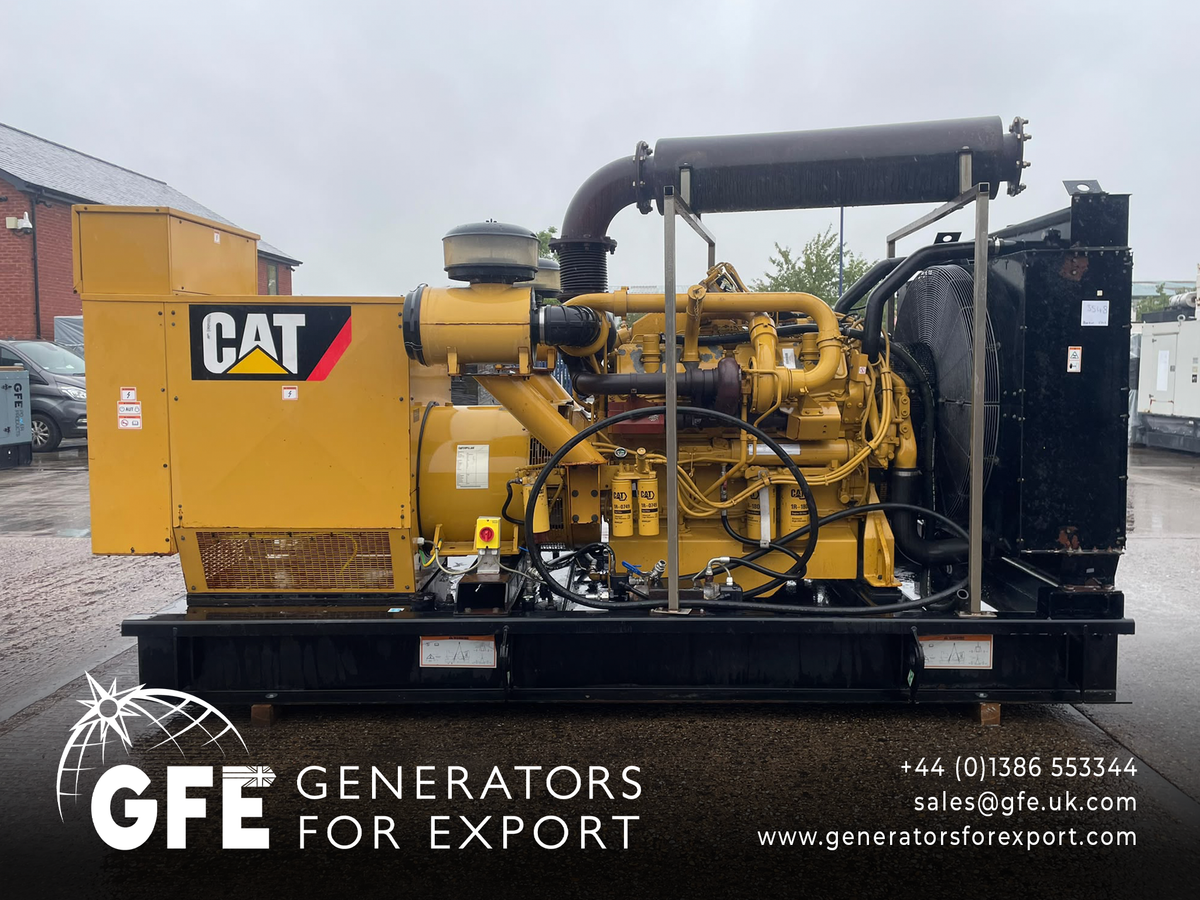
At the heart of the deployment are three synchronised containerised generator sets designed to deliver dependable backup power to critical NHS infrastructure. Each unit is an Cummins C1100 D5, providing 1100 kVA standby power, and housed within a robust 40ft containerised enclosure suitable for demanding operational environments.
Powered by the renowned Cummins QST30-G4 engine and coupled with a Stamford HCI634K1 alternator, the generators are engineered to provide reliable performance and efficient power generation when continuity of service is essential. Operating at 400V and 50Hz, the units are fully suited to UK infrastructure requirements.
To ensure seamless operation between all three generators, each set is equipped with a Deep Sea Electronics (DSE) 8710 control panel, enabling synchronised performance and intelligent load sharing across the system. This integrated approach enhances resilience, allowing the generators to work together as a single, robust power solution capable of supporting critical hospital operations during any interruption to mains electricity.
By combining proven engineering, rigorous testing, and advanced synchronisation technology, this deployment provides the NHS with a resilient backup power solution designed to protect essential services when they matter most.
Witness Testing with NHS Representatives
A key milestone in the project was the witness testing phase, where NHS representatives attended to observe the generators operating under real-world conditions.
The testing provided an opportunity to demonstrate system performance, operational readiness, and synchronisation capabilities. Feedback from the NHS team was extremely positive, and the successful outcome helped finalise the deployment agreement.
This stage reinforced confidence that the equipment would deliver dependable backup power for critical healthcare infrastructure.
Refurbishing Essential Fuel Storage
Alongside the generator preparation, the project's fuel tanks underwent a complete refurbishment programme.
Specialist metal restoration teams carried out extensive sanding, priming, and repainting work to restore each tank to a high standard. The refurbishment not only improved appearance but also enhanced protection against environmental conditions, helping ensure long-term reliability in service.
By investing in both the power generation and fuel storage elements of the package, the project team delivered a complete and dependable backup power solution.
Logistics and Deployment
Once testing and refurbishment were completed, attention turned to the logistics operation.
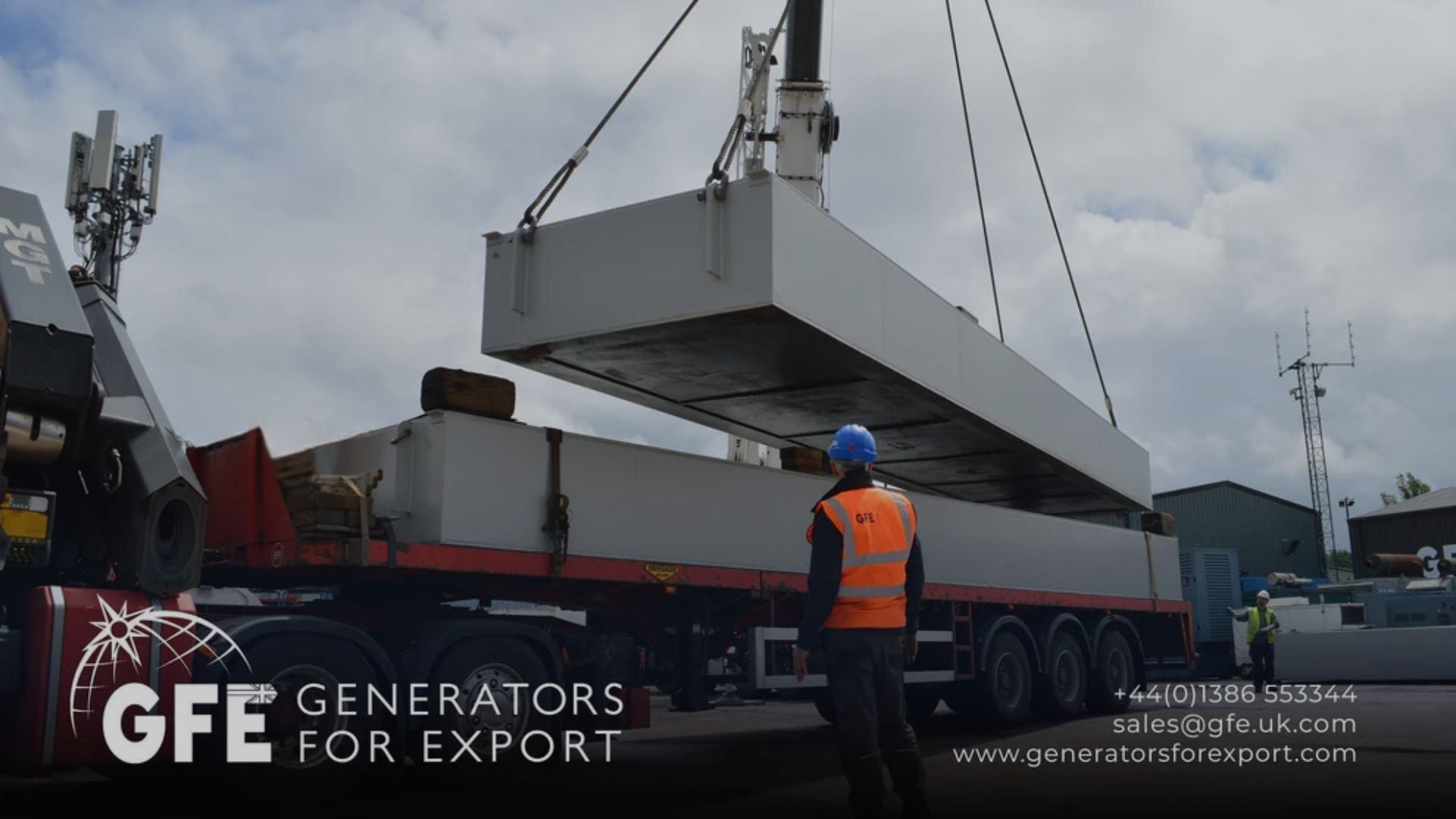
The movement of three containerised generators and three fuel tanks required careful coordination, specialist transport arrangements, and detailed planning. The loading and dispatch phase marked the culmination of months of preparation, engineering, testing, and quality assurance.
As the equipment began its journey to the NHS site, it represented far more than a collection of assets it was a vital investment in healthcare resilience.
Supporting Critical NHS Infrastructure
The final deployment brings together three synchronised generator sets capable of providing reliable emergency power support when required.
Designed to operate seamlessly as a single integrated system, the generators will help maintain continuity of essential services and protect critical operations during power disruptions.
For hospitals and healthcare facilities, resilience is everything. This deployment demonstrates how well-engineered backup power solutions, rigorous testing, and collaborative planning can help safeguard the services that communities depend on every day.
Looking Ahead
Infrastructure projects like this play a vital role in strengthening healthcare resilience across the UK. Through comprehensive testing, expert refurbishment, and successful deployment, this power package is now ready to support the NHS when reliability matters most.
As specialists in complete power solutions, our expertise extends beyond supplying and deploying new equipment. Although decommissioning was not required for this NHS installation, we offer a fully managed decommissioning service for obsolete generators, fuel tanks, and ancillary systems. By safely removing redundant equipment and preparing sites for future infrastructure, we help organisations transition seamlessly to the next generation of reliable backup power.
Get in touch today to find out how we can assist you in your generator sale or purchase.
Call: +44(0)1386 553344 | Email: sales@gfe.uk.com