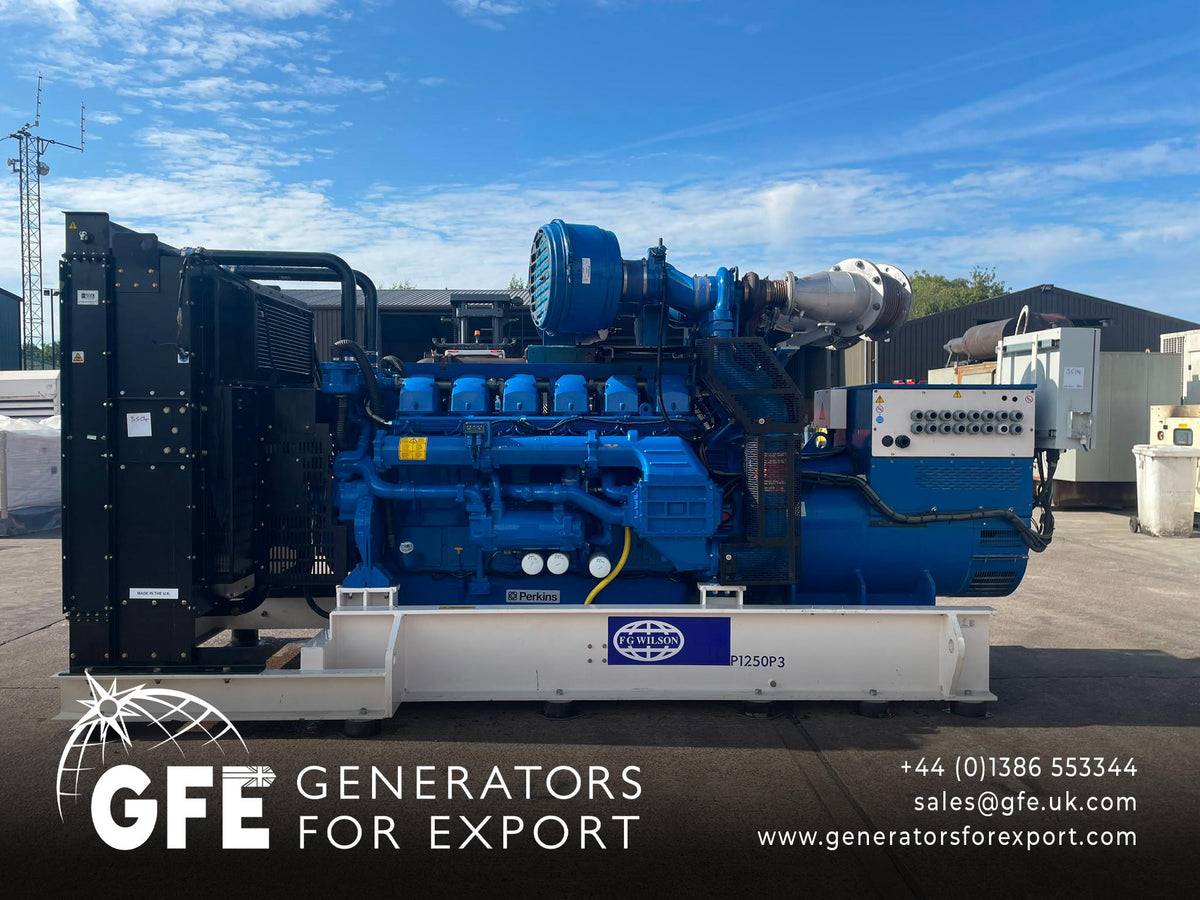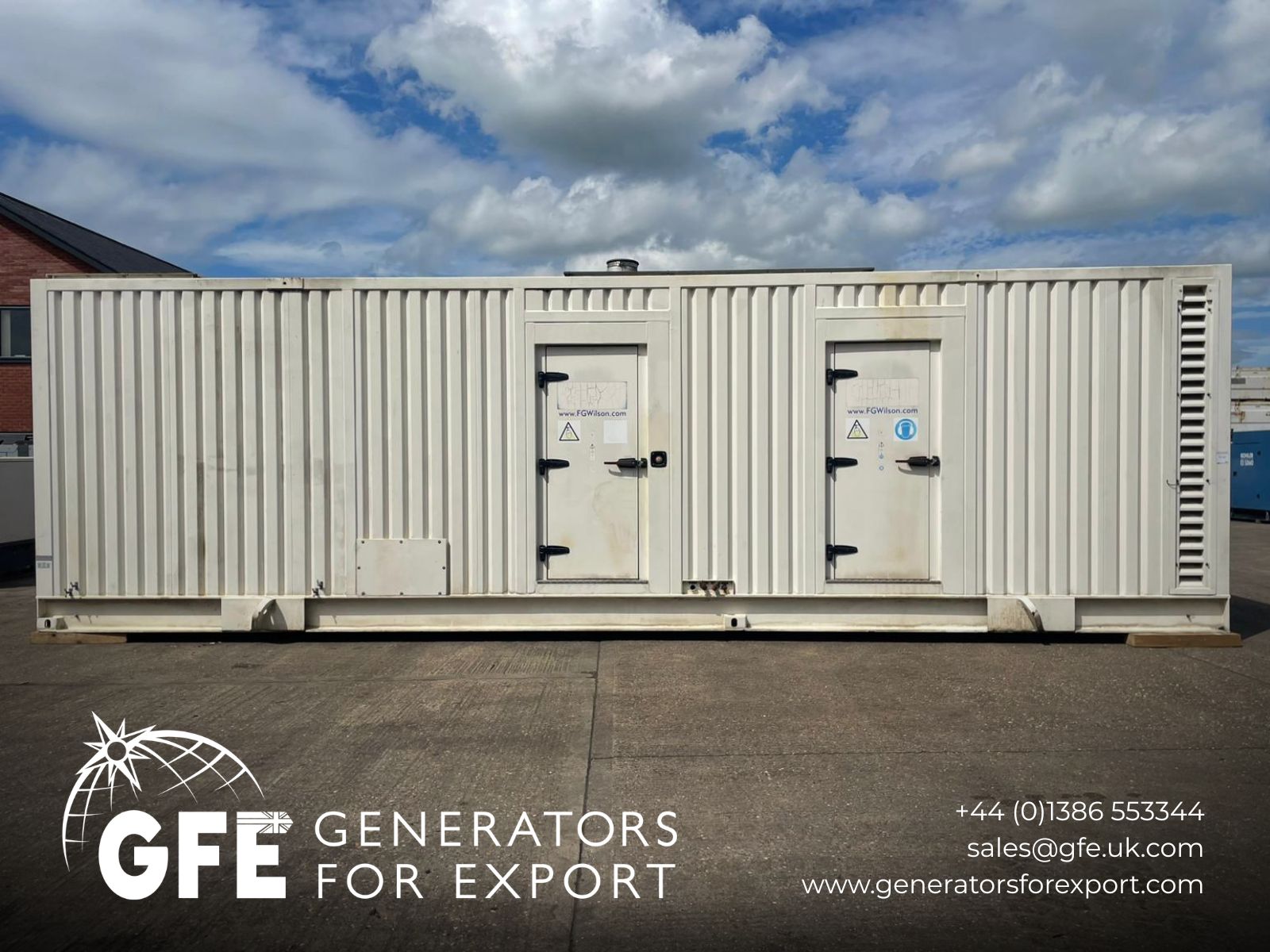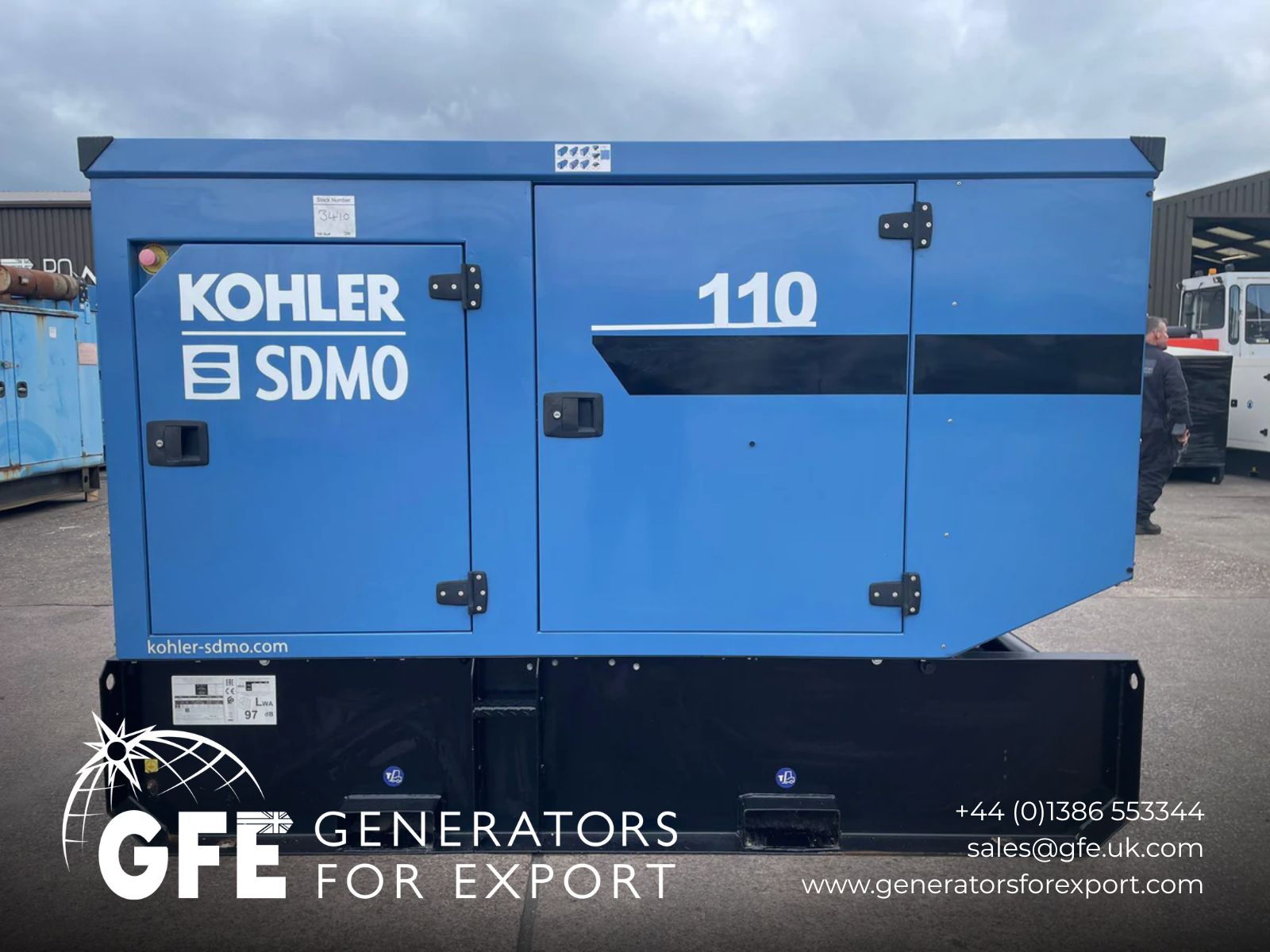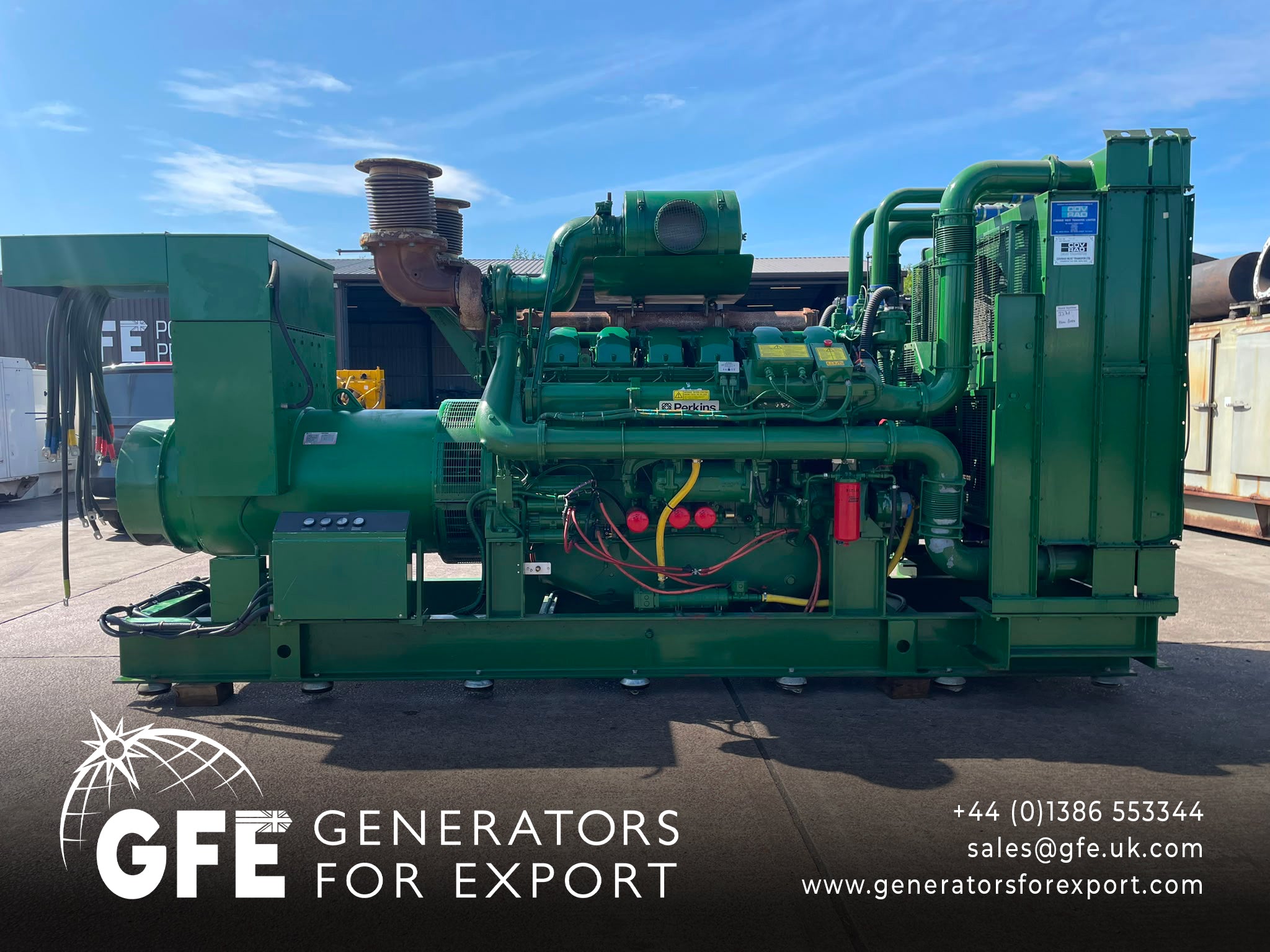
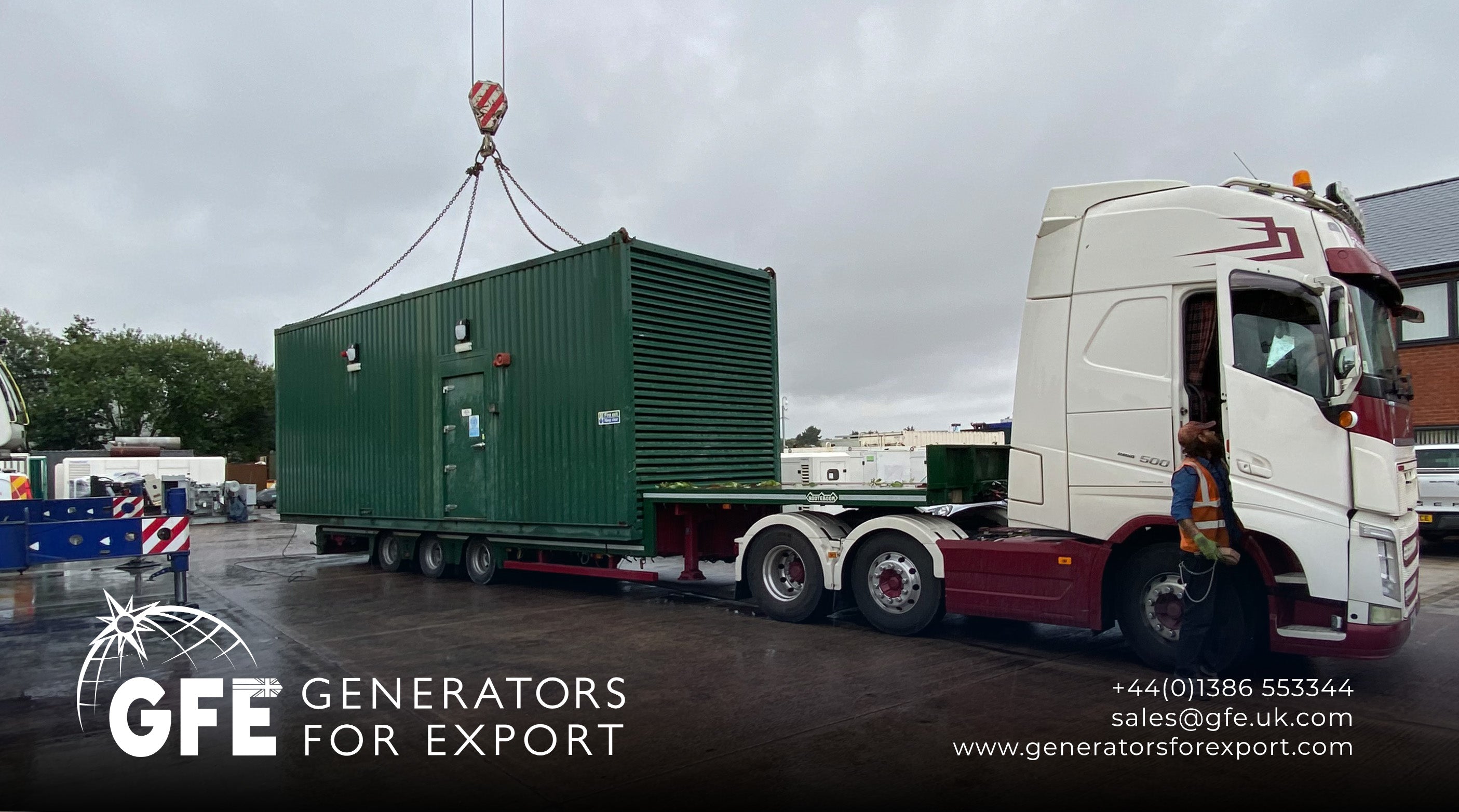
Exporting a diesel generator is far more involved than simply loading equipment onto a lorry and sending it overseas. Behind every successful shipment is a carefully managed process involving inspections, testing, logistics, documentation, and transport coordination.
At Generators For Export, we supply and ship generators worldwide, helping customers source reliable power solutions for projects across Africa, the Middle East, Europe, Asia, and beyond. From the moment a generator arrives at our yard to the point it leaves the UK port, every stage plays an important role in ensuring the equipment arrives safely and ready for operation.
In this article, we take a closer look at the generator export process and explain what happens behind the scenes before a unit begins its journey overseas.
Step 1: Generator Arrival and Initial Inspection
The export process usually begins when a generator arrives at our facility.
Generators may come from a wide range of sources, including:
-
hospitals,
-
data centres,
-
industrial facilities,
-
construction sites,
-
telecom infrastructure,
-
or commercial buildings.
However, we do not buy machinery at auction, as it is important for us to review and verify a machine's history before proceeding with a purchase.
Once the equipment reaches our yard, the first stage is a detailed inspection.
Our team assesses:
-
overall condition,
-
engine performance,
-
operating hours,
-
service history,
-
electrical components,
-
cooling systems,
-
and fuel systems.
This allows us to identify any faults, maintenance requirements, or refurbishment work needed before the generator is prepared for sale or export.
Step 2: Mechanical and Electrical Testing
One of the most important stages in the export process is testing.
Used generators must be carefully assessed to ensure they operate correctly and safely before being shipped internationally.
Depending on the unit, inspections may include:
-
engine checks,
-
battery testing,
-
coolant inspections,
-
oil pressure checks,
-
voltage output verification,
-
and control panel diagnostics.
Our engineers also inspect:
-
alternators,
-
wiring,
-
hoses,
-
fuel systems,
-
and exhaust components.
The goal is to confirm that the generator performs reliably and is suitable for its intended application.
Step 3: Load Bank Testing
For many generators, load bank testing forms a critical part of the preparation process.
A load bank test allows the generator to operate under simulated working conditions, helping engineers assess how the equipment performs under electrical demand.
This process helps identify issues such as:
-
unstable voltage,
-
overheating,
-
fuel system faults,
-
wet stacking,
-
or electrical irregularities.
Load testing is particularly important for standby generators that may have spent long periods operating only occasionally.
By testing under load, we can verify that the unit is capable of performing properly when required in real-world conditions.
Step 4: Documentation and Export Preparation
Exporting heavy equipment internationally requires accurate documentation and careful planning.
At this stage, export paperwork is prepared, which may include:
-
commercial invoices,
-
packing lists,
-
serial number records,
-
shipping documentation,
-
and customs information.
Different countries may also have specific import requirements depending on the destination and intended use of the equipment.
Accurate documentation is essential to avoid delays at ports or customs checkpoints.
Step 5: Container Loading and Securing
Once the generator is fully prepared, the next stage is loading for transport.
Depending on the generator size and destination, equipment may be shipped:
-
inside containers,
-
on flat racks,
-
via specialist heavy transport solutions,
-
Or simply by road freight on trailers.
Loading large generators requires careful planning and experienced handling.
Our team ensures units are:
-
securely positioned,
-
properly balanced,
-
and safely strapped for transport.
This stage is extremely important, as generators can travel thousands of miles across varying sea conditions before reaching their final destination.
Step 6: Transport to Port
After loading, the equipment is transported to the shipping port.
Heavy haulage logistics must be carefully coordinated, particularly for:
-
oversized units,
-
containerised generators,
-
or multi-unit shipments.
Transport planning may involve:
-
route coordination,
-
lifting equipment,
-
permits,
-
escort vehicles,
-
and timed delivery slots at the port.
Efficient logistics help ensure generators arrive safely and on schedule for vessel loading.
Step 7: Overseas Shipping
Once at port, the generator begins its international journey.
Shipping times can vary significantly depending on destination, customs clearance, and freight schedules.
Generators exported overseas may be destined for:
-
infrastructure projects,
-
mining operations,
-
hospitals,
-
telecom facilities,
-
construction developments,
-
or emergency backup power installations.
Throughout the export process, reliability and preparation remain essential. A properly prepared generator is far more likely to arrive safely and operate successfully once installed overseas.
Why Export Buyers Choose Used Generators
Used generators continue to be in high demand worldwide for several reasons:
-
lower purchase costs,
-
immediate availability,
-
proven reliability,
-
and shorter lead times compared to new equipment.
Many used generators available for export originate from high-quality standby installations with relatively low operating hours and strong maintenance histories.
When properly inspected and prepared, these units can provide many additional years of dependable service.
Experience Matters in Generator Export
Exporting generators successfully requires far more than simply sourcing equipment. It involves:
-
technical knowledge,
-
engineering inspections,
-
logistics coordination,
-
export compliance,
-
and careful handling throughout the process.
At Generators For Export, we specialise in supplying and exporting quality used diesel generators worldwide. Our team works closely with customers across a wide range of industries to deliver reliable power solutions suitable for international applications.
From yard inspection to port dispatch, every generator is carefully prepared to help ensure safe transport and dependable performance.
If you are looking for quality used generators for export or would like advice on sourcing the right equipment for your project, contact Generators For Export today.
Call: +44(0)1386 553344 | Email: sales@gfe.uk.com